Top 10 Benefits of Using Plastic Molded Parts in Modern Manufacturing?
Plastic molded parts offer significant advantages in modern manufacturing. These components have transformed how products are designed and produced. Their versatility makes them suitable for various applications across numerous industries. Manufacturers rely on plastic molded parts for their efficiency and cost-effectiveness.
One key benefit is the reduction in manufacturing time. Plastic molding allows for rapid production runs, which can shorten delivery times. Customization is another advantage. These parts can be tailored to meet specific design requirements, enhancing product performance. The precision of molded parts also minimizes waste, leading to a more sustainable production process.
However, challenges exist. The initial tooling costs can be high, and not all designs translate perfectly into molded parts. Manufacturers must navigate these complexities while exploring the full potential of plastic molded parts. Adopting these innovations requires careful consideration and expertise. The benefits, though substantial, need thoughtful implementation for optimal results.
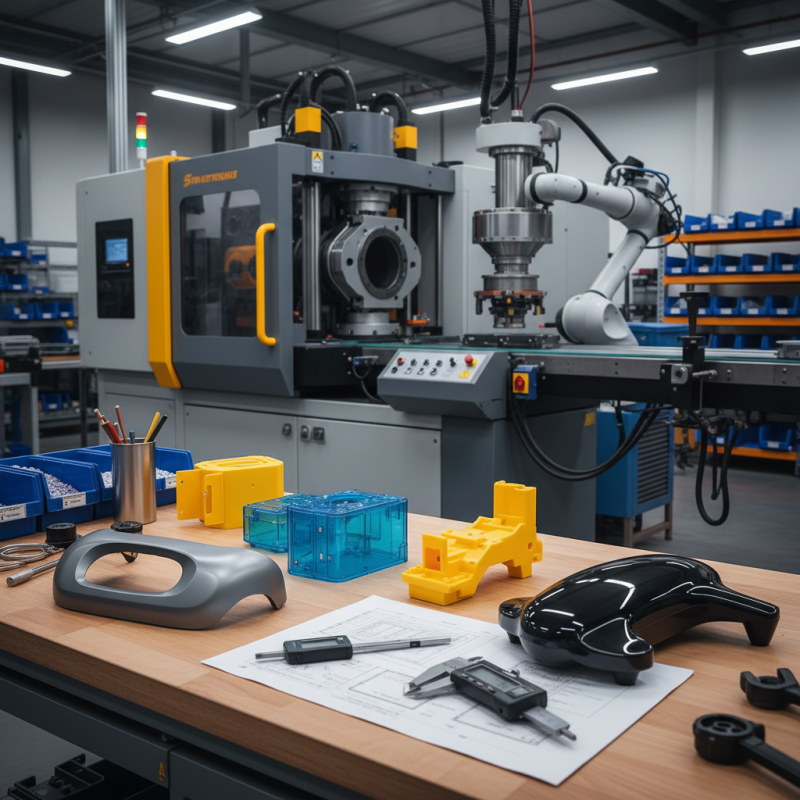
Advantages of Plastic Molded Parts Over Traditional Manufacturing Techniques
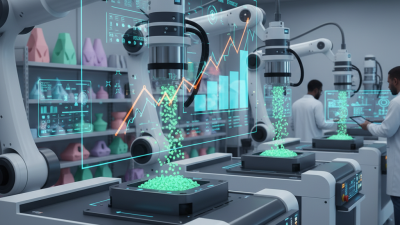
Plastic molded parts offer significant advantages over traditional manufacturing techniques. For instance, the efficiency of injection molding allows for high-volume production at reduced costs. According to industry reports, manufacturers can lower their production costs by approximately 30% when switching from metal to plastic parts. These savings emerge from reduced labor, energy consumption, and the ability to create complex shapes without extensive tooling.
One of the critical benefits of plastic is its design versatility. Unlike metals, plastics can be molded into intricate designs with ease. This adaptability enables customized solutions tailored to specific applications. However, reliance on plastic materials raises concerns about sustainability. Some manufacturers are beginning to reflect on the long-term environmental impact of plastic waste. This critical view is essential as the industry moves towards more sustainable practices while still maximizing production efficiency.
Moreover, plastic parts often have a shorter lead time than traditional materials. A study found that production time can decrease by up to 50% when using plastic molds. Despite these advantages, maintaining the quality and durability of plastic products remains a challenge. Manufacturers must invest in advanced technology and materials to ensure durability matches that of metal parts. Balancing efficiency, cost-effectiveness, and environmental impact remains pivotal in modern manufacturing discussions.
Enhanced Design Flexibility Offered by Plastic Molding Processes
Plastic molding processes are revolutionizing modern manufacturing. One of the greatest advantages of using plastic molded parts is enhanced design flexibility. This technique allows designers to create intricate shapes and structures with ease. Whether it's thin walls or complex geometries, plastic molding offers options that metal and wood cannot match.
Designers can experiment with numerous prototypes without significant cost implications. Rapid prototyping with plastic molds means ideas can become reality more efficiently. Mistakes can lead to learning opportunities, allowing improvements in the next versions. Flexibility is key in adapting to market changes quickly.
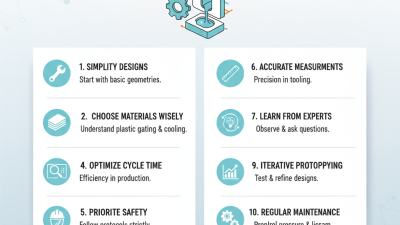
When utilizing plastic molded parts, consider these tips:
- Explore various materials. Different plastics can significantly alter the outcome.
- Leverage simulation software. It helps visualize designs before production.
- Don’t shy away from unconventional ideas. Sometimes, the most outlandish designs yield the best results.
By embracing this flexibility, manufacturers can better meet consumer demands and stay competitive in a dynamic market.
Cost Efficiency and Material Savings Through Plastic Parts Production
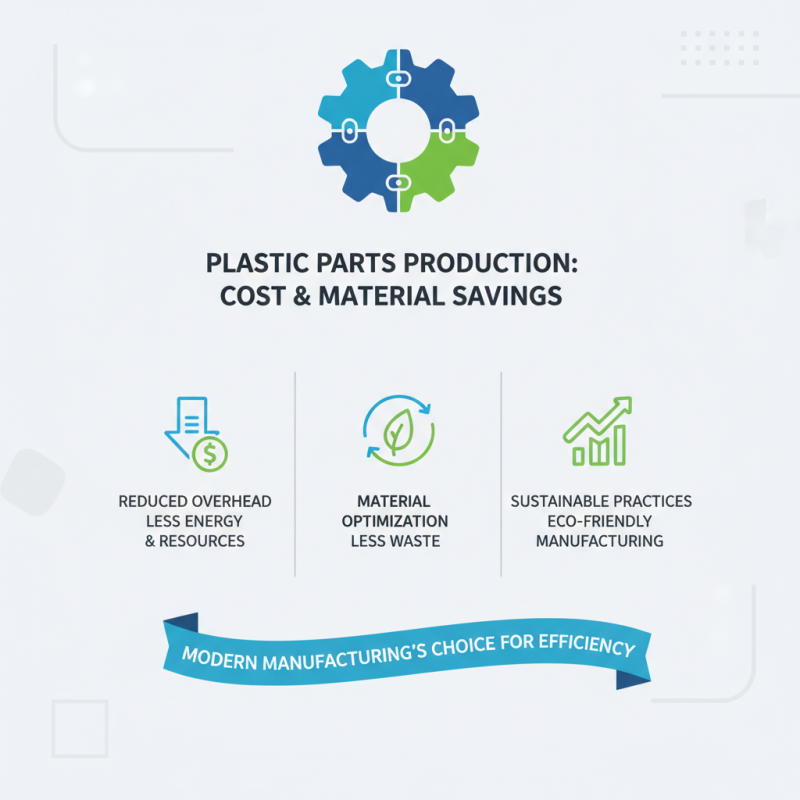
Plastic molded parts are increasingly favored in modern manufacturing due to cost efficiency and material savings. The production of these components often requires less energy and resources compared to traditional processes, which is a significant factor in keeping overhead low. Using plastic parts can lead to reduced waste, as many mold designs allow for better material optimization. This not only cuts costs but also contributes to sustainable practices in the industry.
Tips for businesses considering plastic parts: Focus on design flexibility. It’s crucial to work closely with engineers during the design phase. This ensures that parts are optimized for production, minimizing material usage. Regularly review your production methods for potential improvements, as technology evolves rapidly. Partnering with skilled manufacturers can also lead to innovative solutions, which might not be immediately apparent.
Another point to reflect on is quality control. While plastic parts can be cheaper, they may sometimes compromise on durability, especially if not designed correctly. It’s essential to balance cost with performance to avoid long-term issues. Engaging with experienced personnel can aid in this balance, ensuring the right material is used for each application. Continuous monitoring of product quality will help in maintaining standards and reducing the risk of defects.
Improved Production Speed and Efficiency in Modern Manufacturing
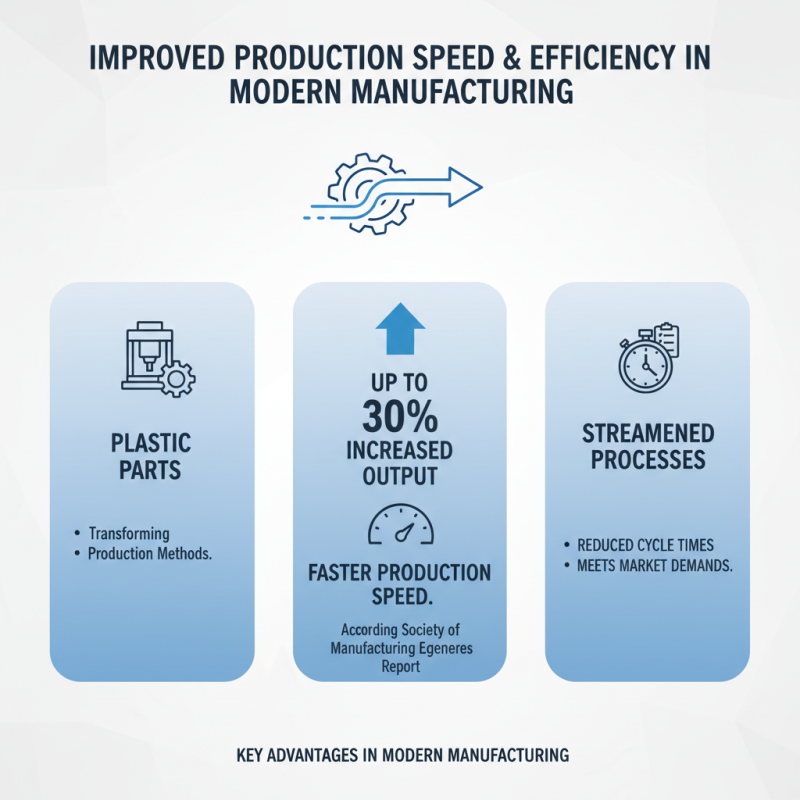
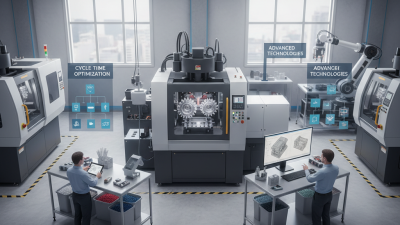
In modern manufacturing, plastic molded parts are transforming production methods. One key advantage is the improved production speed. According to a report by the Society of Manufacturing Engineers, using plastic molds can increase output by up to 30%. This efficiency is crucial for meeting the demands of today’s fast-paced market. Streamlined processes that utilize these parts reduce cycle times significantly.
Additionally, the adaptability of plastic materials allows for rapid design changes without extensive retooling. Engineers report quicker iterations, enabling manufacturers to respond swiftly to consumer needs. A study from the Injection Molding Association noted that companies adopting plastic molded components saw a 20% decrease in lead times. This flexibility is often lacking in traditional materials.
Despite these benefits, challenges persist. Quality control remains a complex process. Variability in raw materials can impact the final product. Manufacturers must invest in testing and quality assurance to mitigate risks. Even with advanced technology, maintaining consistency is not always guaranteed. Continuous evaluation of processes is essential for sustainable success in plastic molding.
Sustainability and Environmental Benefits of Using Plastic Molded Components
Plastic molded components are increasingly recognized for their sustainability in manufacturing. A report by the American Chemistry Council states that the recycling rate of plastic in the U.S. reached 9% in 2018. This shows potential for improvement but also highlights a growing awareness of plastic's lifecycle. Proper recycling processes can reduce waste significantly. Companies can use recycled plastic, reducing raw material costs and minimizing environmental impact.
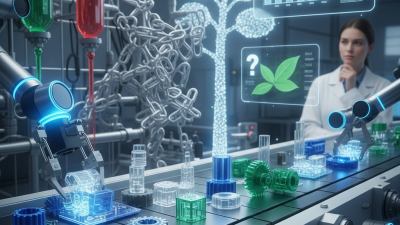
The production of plastic molded parts often requires less energy compared to traditional materials. According to a study from the Plastics Industry Association, energy consumption in plastic manufacturing is lower by 30% to 50% than metals. This leads to fewer greenhouse gas emissions, thereby benefiting the environment. While plastic pollution remains an issue, advances in biodegradable options are paving the way for more responsible usage.
Investing in sustainable practices with plastic molded parts also speaks to consumer demand. A survey conducted by Nielsen indicates that 73% of consumers prefer sustainable brands. Manufacturers face pressure to adapt or risk losing market relevance. Continuous innovation in materials and processes is essential. The challenges of balancing production scalability with environmental responsibility should not be overlooked.