Choosing a reliable plastic parts manufacturer can shape a product’s quality, cost, and delivery performance. For global buyers, the decision involves more than comparing online prices. Material consistency, mold engineering, production capacity, inspection systems, and communication standards all deserve careful review.
This guide examines ten established manufacturers serving international markets. The selection considers practical factors, including injection molding experience, CNC support, tooling development, surface finishing, and quality documentation. It also considers how suppliers manage samples, design revisions, packaging, and shipment schedules. A strong factory should provide clear technical drawings, measurable tolerances, and traceable inspection records. Certifications can support credibility, but they should not replace factory visits, sample testing, or direct technical discussions.
Real purchasing experience often reveals small details. Does the supplier explain shrinkage before production? Can its engineers identify a weak rib or uneven wall thickness? Are rejected plastic parts analyzed, rather than simply replaced? These questions matter when a component must fit tightly inside a medical device housing, appliance panel, or automotive assembly.
A top-ten ranking is never absolute. Different buyers need different strengths, and public information may not show every production limitation. That is worth remembering. This article therefore presents a practical starting point, not a final purchasing decision. Readers should verify capabilities, compliance documents, references, lead times, and total landed costs before signing an agreement. With careful comparison, global buyers can reduce avoidable delays and select a partner suited to their actual product requirements.
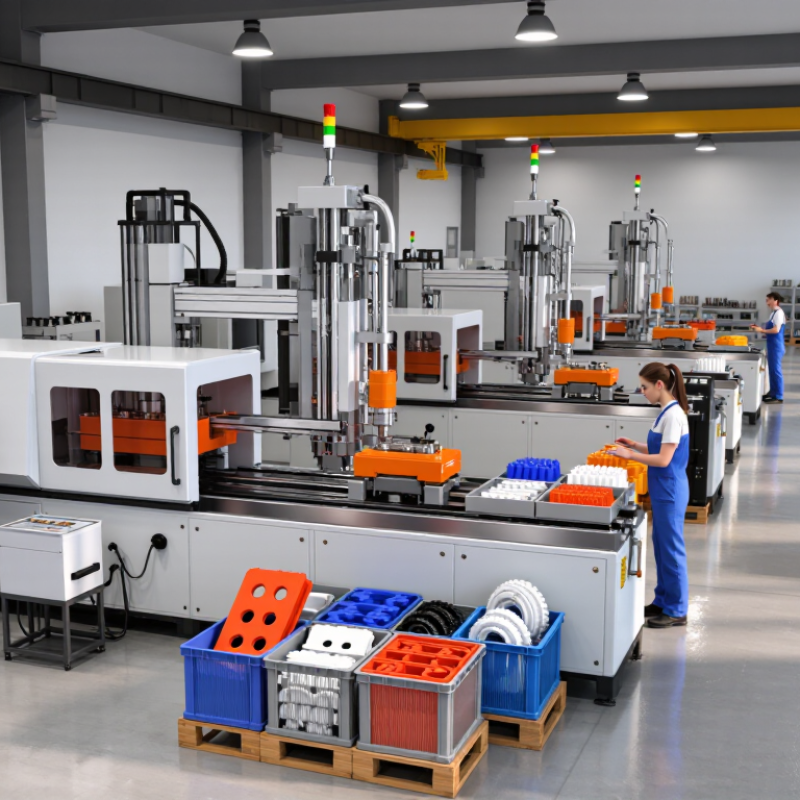
A top plastic parts manufacturer in China should prove capability beyond a polished website. Ask for evidence. Experienced suppliers explain resin selection, mold design, shrinkage control, and production risks in practical terms. They should provide material certificates, dimensional reports, and sample records without avoiding difficult questions. That matters.
Reliable factories use documented processes from tooling review to final inspection. During a mold trial, engineers should check filling balance, weld lines, warpage, and cycle time. On the production floor, calibrated gauges, first-article approval, and batch traceability reduce costly surprises. Clear communication also matters. Buyers should receive realistic lead times, detailed quotations, and prompt explanations when specifications change.
A strong manufacturer can discuss common failures, not only successful projects. Ask for evidence. It may show experience with thin walls, tight tolerances, textured surfaces, or insert molding. Quality systems should support consistent results, but certificates alone are not enough. Review inspection methods and corrective-action records. Some suppliers may promise very low prices, yet later reduce inspection or substitute materials. That is a warning sign.
Capacity must match the project, including machine range, mold maintenance, engineering support, and peak-season planning. A factory producing automotive, medical, or consumer components should understand the documentation and safety expectations for the target market. No factory is perfect. A trustworthy partner admits limitations, proposes tests, and records lessons after each trial. Even a small unresolved defect deserves attention before mass production.
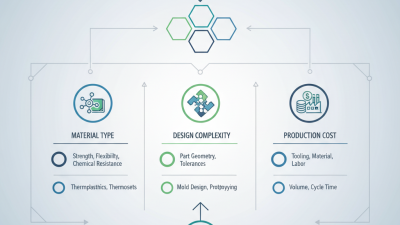
The chart presents a practical buyer-evaluation benchmark with a total score of 100 points. Quality systems, tooling capability, process control, export experience, engineering support, production capacity, material traceability, delivery reliability, compliance, and cost competitiveness are commonly used by global buyers when comparing plastic parts manufacturers in China. The scores represent evaluation weights rather than rankings of individual companies.
China’s top 10 plastic parts manufacturers at a glance reflect different production strengths. One focuses on tight-tolerance injection molding for automotive interiors. Another handles transparent medical housings in controlled rooms. A third supports electrical enclosures with flame-retardant materials. Two suppliers specialize in rapid prototypes, while others provide large molded panels, overmolding, or insert molding.
The strongest manufacturers usually show more than attractive samples. They share material certificates, mold-flow reports, dimensional records, and traceable inspection data. Several operate ISO 9001 systems, while medical and automotive projects may require additional process controls. Experienced buyers should check press capacity, mold maintenance, resin drying, and packaging protection. Small details matter. Warped edges can appear after shipping.
Some factories combine tooling, molding, printing, and assembly under one roof. This can reduce handover delays, but it may also limit independent quality checks. Others outsource finishing work, which increases coordination risks. Ask for recent production photos, sample measurements, tolerance capability, and corrective-action records. A video audit can reveal storage conditions and operator practices.
Price alone gives an incomplete picture. A low quotation may exclude mold revisions, testing, export packaging, or inspection fees. Buyers should compare total project cost and communication speed. Not every supplier fits every application. Even a capable manufacturer may struggle with complex ribs, uneven wall thickness, or recycled-content requirements. A careful shortlist should match materials, volumes, tolerances, compliance needs, and after-sales responsiveness.
Leading Chinese plastic parts manufacturers often combine mold design, injection molding, and secondary assembly. Their workshops may support small prototypes and high-volume production. Common equipment includes multi-axis CNC machines, electric injection presses, and automated inspection stations. These capabilities help produce housings, clips, gears, caps, and custom structural components.
Material selection remains a practical decision. ABS suits many durable housings, while polycarbonate offers stronger impact resistance. Nylon works well for mechanical parts, especially with glass-fiber reinforcement. Some manufacturers also process polypropylene, POM, TPU, and recycled-content materials. Product specialists should review shrinkage, heat exposure, chemical contact, and expected service life before approving a resin.
Experienced suppliers usually provide DFM reviews, mold-flow feedback, and first-article inspection reports. They may measure critical dimensions with coordinate machines or optical systems. A tolerance of 0.02 millimeters can be achievable, but not for every geometry or material. This point is often misunderstood. Surface texture, draft angles, weld lines, and sink marks also influence the final part.
Manufacturing strength does not guarantee perfect communication. Drawings can contain unclear datums, and sample approvals may miss real assembly conditions. Reliable buyers request material certificates, dimensional records, packaging plans, and traceable production batches. Factory audits and controlled pilot runs add useful evidence before larger orders. Even then, design changes should be documented carefully.
When evaluating China’s top plastic parts manufacturers, global buyers should look beyond product samples. A reliable supplier maintains documented quality procedures from tooling review to final packing. ISO 9001 certification supports process control, but certificates alone prove little. Audit the certificate scope, issuing body, and renewal date. Records matter.
Strong manufacturers use incoming material checks, first-article inspection, and in-process dimensional testing. They can provide material certificates, inspection reports, and batch traceability. For automotive or medical applications, additional standards may apply. Confirm requirements such as IATF 16949, ISO 13485, RoHS, REACH, or applicable food-contact rules. The correct standard depends on the product and destination market.
Export readiness appears in small details. Ask for consistent commercial invoices, packing lists, country-of-origin documents, and correct tariff classifications. Packaging should protect molded surfaces from scratches, moisture, and deformation during long ocean transit. Clear Incoterms and realistic lead times also reduce disputes. A pre-shipment inspection can compare production goods against approved samples.
No supplier is flawless. A strong factory admits minor process variation and explains corrective actions. That honesty is more useful than polished sales language. Buyers should review mold maintenance logs, calibration records, complaint history, and backup production plans. Small gaps matter. If documentation arrives late, communication may become a larger risk after mass production begins.
| Rank | Manufacturer Profile | Primary Plastic Processes | Typical Material Portfolio | Maximum Injection Capacity | Quality Standards and Certifications | Tooling and Product Validation | Inspection Equipment | Typical Industries Served | Export Readiness | Typical Production Lead Time |
|---|---|---|---|---|---|---|---|---|---|---|
| 1 | Manufacturer Profile 01 | Precision injection molding, insert molding, overmolding, secondary assembly | PP, ABS, PC, PC/ABS, POM, PA6/PA66, TPE, TPU | 1,300 tonnes | ISO 9001; RoHS and REACH material documentation; PPAP available for automotive programs | DFM review, mold-flow analysis, first article inspection, capability studies | CMM, optical projector, digital height gauge, colorimeter, tensile tester | Automotive, industrial controls, electrical equipment, consumer electronics | Export Ready Standard export packaging, commercial invoices, packing lists, and multilingual documentation |
18–35 days after approved tooling and samples |
| 2 | Manufacturer Profile 02 | High-volume injection molding, thin-wall molding, in-mold decoration | PP, PS, ABS, HIPS, PC, PET, PBT, flame-retardant engineering plastics | 2,000 tonnes | ISO 9001; ISO 14001; RoHS, REACH, and conflict-minerals declarations available | Steel-safe tooling design, mold-life planning, automated visual inspection, PPAP support | Coordinate measuring machine, vision system, gloss meter, moisture analyzer | Packaging, home appliances, electronics, lighting, household products | Advanced Export Experience with palletized sea freight, air freight, and customer-approved packaging standards |
20–40 days for repeat production |
| 3 | Manufacturer Profile 03 | Medical-grade injection molding, clean assembly, micro molding | Medical PC, PP, PE, POM, PEEK, PPSU, PSU, medical-grade TPE | 450 tonnes | ISO 13485; ISO 9001; material traceability; biocompatibility documentation where applicable | Design verification support, validation protocols, cavity traceability, controlled assembly | CMM, vision inspection, particle monitoring, torque tester, leak tester | Medical devices, laboratory equipment, diagnostics, pharmaceutical packaging | Advanced Export Controlled documentation, lot traceability, and compliance files for regulated supply chains |
25–50 days depending on validation requirements |
| 4 | Manufacturer Profile 04 | Automotive injection molding, gas-assisted molding, two-shot molding | PP, PA6/PA66, PBT, PC/ABS, PPS, POM, glass-fiber-reinforced compounds | 1,600 tonnes | IATF 16949; ISO 9001; IMDS reporting support; PPAP documentation | APQP, PFMEA, control plans, MSA, SPC, mold-flow simulation | CMM, surface roughness tester, impact tester, tensile tester, environmental chamber | Automotive interiors, under-hood components, connectors, sensor housings | Export Ready Automotive packaging controls, batch traceability, and scheduled international shipments |
30–55 days for qualified automotive parts |
| 5 | Manufacturer Profile 05 | Precision molding, insert molding, ultrasonic welding, pad printing | ABS, PC, PC/ABS, PBT, PA, LCP, PPS, flame-retardant grades | 800 tonnes | ISO 9001; RoHS and REACH compliance support; UL-recognized material records when required | Precision mold qualification, dimensional layout reports, engineering change control | Vision measuring system, CMM, pin gauges, electrical safety tester, colorimeter | Electrical connectors, instrumentation, telecom equipment, industrial electronics | Export Ready Small-batch and recurring-order support with standard export documentation |
15–30 days after production approval |
| 6 | Manufacturer Profile 06 | Large-part injection molding, structural-foam molding, gas-assisted molding | PP, ABS, HDPE, PC/ABS, PA, PBT, reinforced polypropylene | 3,800 tonnes | ISO 9001; ISO 14001; RoHS and REACH documentation available | Large-mold design, warpage analysis, dimensional capability studies, assembly validation | Portable CMM arm, 3D scanner, wall-thickness gauge, impact tester | Automotive trim, appliances, logistics equipment, industrial enclosures | Advanced Export Heavy-part handling, export crating, container loading plans, and freight coordination |
30–60 days depending on part size and tooling complexity |
| 7 | Manufacturer Profile 07 | Liquid silicone rubber molding, two-component molding, clean assembly | LSR silicone, medical silicone, TPE, TPU, PP, PC, PA | 250 tonnes | ISO 9001; ISO 13485 for controlled medical programs; FDA-compliant material options | Cold-runner tooling, flash control, mold validation, material batch traceability | Vision inspection, durometer tester, tensile tester, leak tester, dimensional gauges | Healthcare, automotive seals, fluid handling, consumer products | Advanced Export Lot-based documentation, clean packaging, and regulatory material files |
20–45 days after mold qualification |
| 8 | Manufacturer Profile 08 | Prototype molding, low-volume production, CNC machining, rapid tooling | ABS, PC, PA, POM, PMMA, PP, PE, specialty engineering resins | 650 tonnes | ISO 9001; RoHS and REACH declarations; material certificates available on request | Rapid DFM feedback, prototype inspection, engineering sample reports, design iteration support | 3D scanner, CMM, optical comparator, surface roughness tester | Product development, robotics, laboratory equipment, commercial hardware | Export Capable Suitable for samples, pilot orders, and low-volume international shipments |
7–20 days for prototypes; 18–35 days for production tooling |
| 9 | Manufacturer Profile 09 | Decorative molding, spray coating, vacuum metallization, laser engraving | ABS, PC, PMMA, PC/ABS, PP, PBT, ASA | 1,000 tonnes | ISO 9001; ISO 14001; RoHS and REACH support; coating process records | Color approval panels, texture matching, coating adhesion tests, appearance standards | Colorimeter, gloss meter, coating-thickness gauge, adhesion tester, vision system | Consumer electronics, automotive interiors, appliances, personal-care products | Export Ready Experience with appearance-critical parts, protective packaging, and consolidated export loads |
25–45 days for molded and finished components |
| 10 | Manufacturer Profile 10 | Electrical enclosure molding, flame-retardant molding, assembly and testing | PC, ABS, PC/ABS, PA66, PBT, PPS, UL94-rated engineering materials | 1,200 tonnes | ISO 9001; ISO 14001; RoHS and REACH documentation; UL-rated resin traceability | Design-for-manufacturing review, insulation clearance checks, functional assembly testing | CMM, dielectric strength tester, insulation resistance tester, torque tester, vision system | Power distribution, renewable energy, industrial automation, electrical equipment | Export Ready Electrical compliance files, product traceability, export labeling, and standard freight support |
20–40 days after tooling approval |
Global buyers comparing China’s top plastic parts manufacturers should evaluate process control, not catalog photos. Request a drawing review before discussing price. The supplier should identify draft angles, parting lines, tolerance risks, and suitable molding equipment. Ask for resin grade, lot traceability, shrinkage data, and expected tolerances. Vague answers are warning signs. A low quote may exclude mold maintenance, inspection, or protective packaging.
For molded parts, inspect the tool room, testing area, and finished-goods storage. Check cavity balance, cooling layout, and maintenance records. Request a first-article report with dimensions linked to drawing numbers.
Measure critical features yourself or use an independent laboratory. Samples can deceive. A glossy part may conceal weld lines, voids, or unstable cycle times. Pilot production reveals more than a showroom sample. Review rejection rates, corrective-action reports, and operator training records.
Selection also depends on communication and delivery discipline. Test this with a small, documented trial order. Set approval points for tooling, samples, packaging, and shipment release. Confirm capacity using actual machine tonnage and monthly output, not promises. Verify applicable quality and environmental certificates through their issuing bodies. No checklist is perfect. I would not dismiss a supplier that admits a weakness, but I would require a correction plan with dates. Cost still matters, yet total cost includes delays, scrap, engineering changes, and warranty exposure. Keep inspection records, meeting notes, and approved samples together throughout production.