How to Choose the Best Sleep Monitoring Technology for You?
In today's fast-paced world, the significance of quality sleep cannot be overstated. According to Dr. Matthew Walker, a renowned sleep scientist, “The best way to improve your health is to improve your sleep.” As Sleep Monitoring Technology evolves, selecting the right tools can be overwhelming. This technology helps individuals track their sleep patterns and provides valuable insights, yet not all devices meet everyone's needs.
With various options available, knowing how to choose the best sleep monitoring technology is crucial. Each device offers unique features, from basic sleep tracking to comprehensive health metrics. However, potential users often focus only on the latest gadgets rather than their actual sleep requirements. Identifying personal preferences and sleep goals can lead to more effective choices.
Moreover, it's essential to consider the reliability of the data provided by these tools. Users should remain cautious about the accuracy of readings and the implications of incorrect information. A thoughtful evaluation of options can lead to improved sleep quality and, in turn, better overall health.
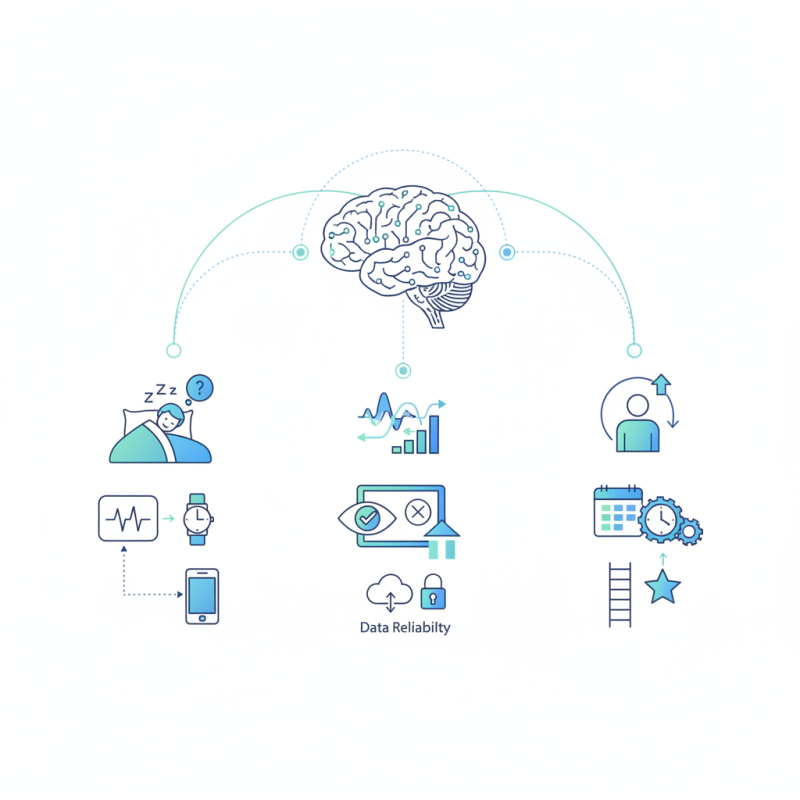
Understanding Sleep Monitoring Technology: An Overview
Sleep monitoring technology has evolved significantly in recent years. With an increasing awareness of the importance of sleep, many people seek tools to improve their sleep quality. According to a report by the National Sleep Foundation, approximately 45% of Americans experience occasional insomnia. Thus, understanding the various sleep monitoring technologies on the market is crucial.
Wearable devices, sleep apps, and even smart mattresses are popular options. Research indicates that wearable devices can track heart rate and movement during sleep. They often provide insights about sleep stages. However, these devices may not always be precise, leading to potential misinterpretations about sleep quality. In fact, a study published in the Journal of Clinical Sleep Medicine found discrepancies between wearable data and polysomnography results.
Another option is smartphone applications, which analyze sleep patterns based on audio and motion. While convenient, their accuracy can vary widely. Some rely on self-reported data, which may not reflect true sleep quality. Correlating different data sources is essential for a comprehensive understanding of one’s sleep habits. Sleep technology holds promise, but one must approach it with some skepticism and a critical eye.
Types of Sleep Monitoring Devices: Pros and Cons
When exploring sleep monitoring devices, understanding their pros and cons is vital. Many people seek technology for better sleep quality. According to research by the Sleep Foundation, sleep issues affect about 50-70 million U.S. adults. This highlights the importance of effective sleep monitoring solutions.
Wearable devices, like smartwatches, track your sleep patterns. They provide heart rate and movement data. While they are convenient, accuracy may vary. Not every model captures deep sleep correctly. Some users report inconsistent readings, leading to confusion. Understanding these limitations is essential before relying on such technology.
Another option is under-mattress sensors. These tools can measure sleep quality without contact. They often provide a more comprehensive picture. However, they may not suit everyone and can be costly. A 2020 study indicated that certain users felt detached from data. Finding the right balance between technology and personal awareness is key.
Tips: Always review user experiences before buying. Consider how the device communicates with your routine. Remember, data accuracy can shape your understanding of your sleep health. Choose wisely based on what aligns with your sleep goals.
Comparative Analysis of Sleep Monitoring Devices
This chart represents a comparative analysis of different types of sleep monitoring devices. The ratings indicate the advantages (Pros) and disadvantages (Cons) on a scale from 1 to 10, helping you make an informed choice based on their performance. Smartphones offer great accessibility, while smart mattresses rank high in comfort but may be costly.
Key Features to Consider When Choosing Sleep Trackers
Choosing the right sleep monitoring technology requires careful consideration of several key features. Accuracy is paramount. Ensure the device tracks various sleep stages like REM, deep sleep, and light sleep. Precision in data collection can provide insights into your overall sleep quality.
Another important feature is usability. Look for an interface that is easy to navigate. A complicated setup might hinder regular use. Comfort is also essential. If the device is uncomfortable, you may avoid wearing it. The technology should blend seamlessly into your routine.
Battery life is often overlooked. A short battery life can disrupt your data tracking. Devices that need frequent charging can become frustrating. Consider whether you want a wearable tracker or a non-contact device. Each has its pros and cons. Reflect on your personal needs. What matters most to you?
Ultimately, the best choice complements your lifestyle and enhances your sleep experience.
Evaluating Accuracy and Reliability of Sleep Tracking Technologies
When choosing sleep monitoring technology, accuracy and reliability are crucial factors to consider. Recent studies indicate that many consumer-grade sleep trackers may only achieve an accuracy of about 80% in detecting sleep stages. This raises concerns about their effectiveness. A study published in the Journal of Clinical Sleep Medicine found that some devices misclassify sleep stages, especially REM sleep. This could mislead users about their sleep quality and patterns.
Moreover, external factors can affect the reliability of these technologies. Ambient light, noise, and even mattress hardness can skew results. A report by the Sleep Research Society highlights that individuals' physiological differences further complicate the accuracy of sleep data. Despite technological advancements, no tracker is foolproof. Users should approach data with some skepticism. A device's ability to measure heart rate or movement doesn't guarantee it will provide an accurate picture of sleep quality.
It's advisable to consider how these sleep monitors aggregate and interpret data. While many rely on algorithms, how these algorithms function is often not disclosed. This lack of transparency can lead to uncertain interpretations of the data. A deeper understanding of one's sleep patterns often requires manual tracking in conjunction with technology. Balancing these approaches may yield a more holistic view of sleep health.
Budget Considerations: Finding Affordable Sleep Monitoring Solutions
When searching for affordable sleep monitoring solutions, consider the features you need. Many sleep trackers offer basic functionalities like sleep duration recording and pattern analysis. However, prices can vary widely based on extra features. Devices with advanced metrics may not fit everyone's budget.
Budget-friendly options can still provide valuable insights. Look for devices that track heart rate and sleep cycles without excessive costs. Research customer reviews to find reliable choices within your price range. Some users report settling for basic features and finding them adequate for their needs.
Tips: Determine your must-have features before making a purchase. Look for discounts and sales, especially during holidays. If you're uncertain, consider borrowing a device from a friend before buying.
Small changes in your routine can lead to better sleep, even without high-end technology.