What is a Cylindrical Gearbox and How Does it Work?
A Cylindrical Gearbox is a crucial mechanical component widely used in various industries. Its design allows efficient power transmission through cylindrical gears, providing high torque and speed reduction. Understanding its operation helps engineers select the right gearbox for specific applications, improving overall system performance.
These gearboxes consist of several cylindrical gears, each meticulously designed for optimal engagement. They are renowned for their durability and reliability in heavy-duty operations. However, not all cylindrical gearboxes are created equal. Differences in gear material and manufacturing processes can lead to varied performance.
One important aspect to consider is the efficiency of gear meshing. A poorly designed system might result in excessive vibrations or noise. These factors highlight the necessity of selecting the right gearbox configuration. As with any mechanical system, continuous optimization and monitoring are essential for achieving the best results with a Cylindrical Gearbox.
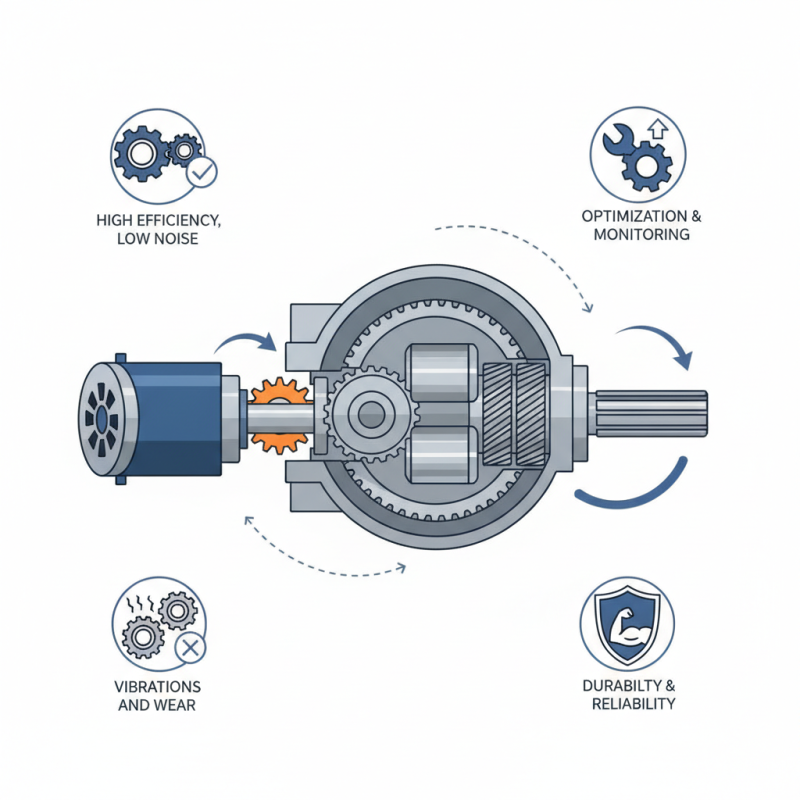
What is a Cylindrical Gearbox? Definition and Key Features
A cylindrical gearbox is a critical component in mechanical engineering. Its main function is to transmit torque and rotational motion between shafts. This type of gearbox uses cylindrical gears, also known as spur gears, which mesh together to facilitate smooth operation.
Cylindrical gearboxes are designed with precision to ensure durability and efficiency. They are often found in various applications, from machinery to vehicles. This gear arrangement helps minimize friction, leading to less energy loss. The ability to alter gear ratios also allows for different speed and torque outputs. However, improper installation can lead to misalignment, causing unnecessary wear and potential failure.
Key features include high load capacity and a compact design. These gearboxes can be easily integrated into existing systems. However, regular maintenance is essential. Users might overlook this aspect, leading to decreased performance. Understanding the fundamentals of cylindrical gearboxes can help in choosing the right gearbox for specific applications.
The Working Principle of Cylindrical Gearboxes Explained
Cylindrical gearboxes are essential components in various industries. They primarily convert rotational motion and increase torque in machinery. Their efficiency ranges between 90% to 98%, according to industry reports. This high efficiency is vital for applications in manufacturing and automotive sectors.
The working principle involves two or more cylindrical gears. As one gear rotates, it drives the adjacent gear, transferring power. This design minimizes friction while maximizing torque. Engineers often recommend these gearboxes for applications requiring precise speed and torque control. However, improper installation can lead to decreased efficiency. Regular maintenance is crucial to ensure long-term functionality.
Interestingly, the global cylindrical gearbox market is projected to grow by 5.6% annually, driven by advancements in automation. Yet, the reliance on outdated designs remains a challenge for many organizations. Balancing innovation and practicality can lead to significant performance improvements. Understanding the internal mechanics of these gearboxes can help in optimizing their use.
What is a Cylindrical Gearbox and How Does it Work?
| Feature | Description | Advantages |
| Definition | A cylindrical gearbox is a type of gear system designed to provide rotational motion and torque transmission in various mechanical applications. | Efficient power transmission, compact design, and ability to handle high loads. |
| Working Principle | Operates through the meshing of cylindrical gears which convert input energy into mechanical output. | Smooth operation, high efficiency, and precise speed control. |
| Applications | Used in various sectors including automotive, manufacturing, and robotics for powering machinery. | Versatile usage in different mechanical systems. |
| Types | Includes spur gear, helical gear, and bevel gear gearbox types. | Each type provides distinct advantages suited for specific applications. |
| Maintenance | Requires regular lubrication and inspection to ensure optimal performance. | Reduced wear and enhanced lifespan of the gearbox. |
Common Applications of Cylindrical Gearboxes in Various Industries
Cylindrical gearboxes play a crucial role in various industries. These gearboxes are commonly used in manufacturing, automotive, and robotics. Their design provides efficient power transmission with minimal noise and vibration. In manufacturing, they often drive conveyors and assembly lines. Their reliability enhances production efficiency and minimizes downtime.
In the automotive sector, cylindrical gearboxes transmit power from the engine to the wheels. They are vital in ensuring smooth vehicle operations. These gearboxes also find applications in electric vehicles, where efficiency is paramount. In robotics, they enable precise movements and control, making them essential for automation.
While cylindrical gearboxes offer many advantages, they also have limitations. Over time, gear wear can impact performance. Regular maintenance is crucial to avoid operational issues. Users must be mindful of load and speed requirements to optimize their performance. Understanding these nuances can lead to better decision-making in gearbox selection and usage.
Advantages of Using Cylindrical Gearboxes Over Other Gear Types
Cylindrical gearboxes are widely used in various mechanical systems. They excel in transferring power efficiently. The design allows for high torque while maintaining compact dimensions. This makes them ideal for applications in robotics, manufacturing, and automotive industries.
One significant advantage of cylindrical gearboxes is their ability to handle high loads with minimal backlash. This keeps the system precise and reduces vibrations. Additionally, their smooth operation often leads to longer service life compared to other gear types. They also provide better alignment, ensuring durability when subjected to heavy use.
Tips: Regular maintenance is key. Check for wear and tear, and lubricate components as needed. This can prevent failures and increase efficiency. Consider the specific gearing ratio for your application to optimize performance. Evaluating these factors can lead to smarter choices.
Key Specifications and Performance Metrics of Cylindrical Gearboxes
Cylindrical gearboxes are essential components in various machinery. They convert input speed into a desired output speed, which is crucial for many applications. When evaluating cylindrical gearboxes, several key specifications come into play. The gear ratio is one of the most critical metrics. This ratio determines the relationship between input and output speeds. High gear ratios enable applications requiring more torque, while low ratios favor higher speeds.
Another significant aspect is the load capacity. This metric dictates how much weight the gearbox can handle without failure. It's essential to choose a gearbox that meets the application’s demands. Noise levels also matter; lower noise gearboxes are preferred in quieter environments. Cooling methods can impact performance too. Improper cooling can lead to overheating, which affects longevity.
In practice, not all gearboxes perform perfectly. Variability in manufacturing processes can lead to discrepancies in specifications. Proper installation and alignment are often overlooked but critically impact performance. No gearbox is without challenges. Regular maintenance and inspections are necessary to ensure reliability. By understanding these key specifications and their potential flaws, users can make informed choices.