How to Calculate Injection Molding Cost Effectively?
In the competitive landscape of manufacturing, understanding injection molding cost is crucial for businesses aiming to thrive. According to recent industry reports, the average cost per part in injection molding can range from $0.10 to $1.00, influenced by factors like material type and part complexity. Many companies overlook the hidden costs associated with design and tooling, which can inflate overall expenses significantly.
Injection molding, while efficient, isn't devoid of challenges. A study by the Society of Plastics Engineers noted that over 60% of manufacturers struggle with unexpected costs during production. This emphasizes the need for effective cost calculation strategies. Poorly planned projects can lead to waste, affecting both time and money. It's vital for teams to address these shortcomings early on to mitigate financial risks.
As businesses seek to optimize their production processes, a comprehensive analysis of injection molding cost is essential. Companies that take advantage of technology and data analytics can better forecast their expenses. In doing so, they not only address current challenges but also prepare for future demands.
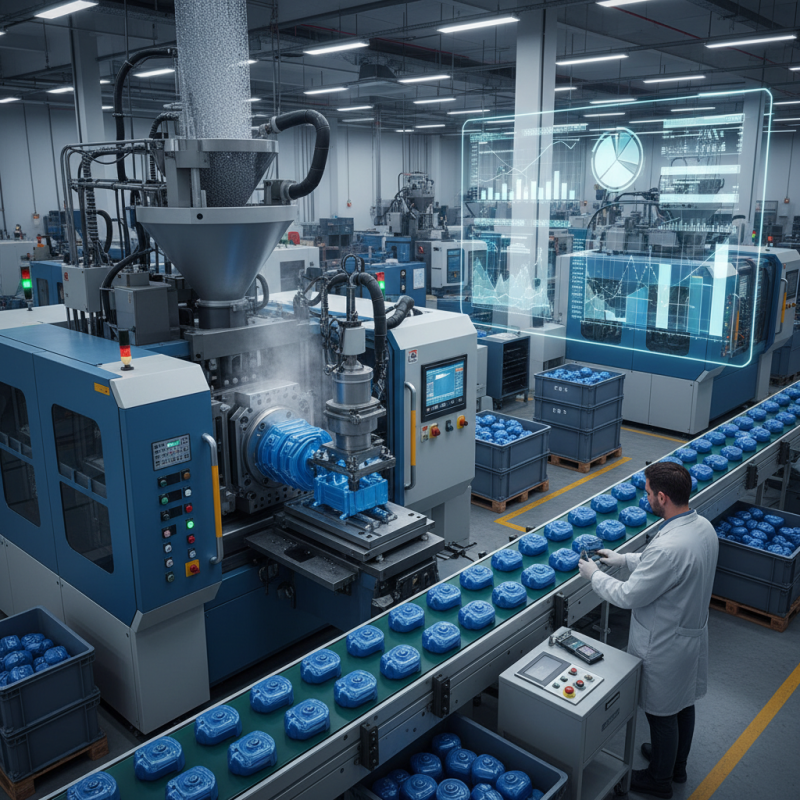
Understanding Injection Molding: Key Elements that Influence Cost
Understanding the key elements that influence the cost of injection molding is crucial for effective calculations. The material choice directly impacts expenses. Different polymers can vary significantly in price. For example, engineering resins may cost more than standard plastics. The type of resin affects both the initial cost and the long-term performance.
Additionally, the complexity of the mold plays a vital role. A simple mold might be cheaper, but it limits design options. Complex molds can increase the upfront cost but provide better efficiency in mass production.
Designing for manufacturability is essential yet often overlooked. Every additional feature can alter pricing and production time.
Lastly, production volume should not be underestimated. Higher volumes typically reduce the unit cost, yet this hinges on initial investments. This creates a bit of a balancing act: how much to invest before receiving returns? The decisions made here can lead to reflections on overall strategy. Understanding these elements helps in crafting a more effective cost calculation method, but it is also a path filled with uncertainties.
Material Selection: Impact of Resin Types on Molding Expenses
Material selection plays a crucial role in the costs associated with injection molding. The type of resin chosen can significantly impact expenses. For example, standard resins like polypropylene (PP) and polyethylene (PE) tend to have lower costs, averaging around $0.75 to $1.50 per pound. In contrast, engineering resins such as polycarbonate or nylon can range from $2.00 to $5.00 per pound. This difference can substantially affect the overall budget for a molding project.
Moreover, processing costs vary with resin type. Some materials require higher processing temperatures and specialized equipment. For example, high-performance polymers may need more energy and longer cycle times, which raises production expenses. Reports suggest a 25% increase in energy costs when switching from standard to engineering-grade resins.
The choice of resin also influences scrap rates and quality control. Certain resins are more prone to defects that necessitate additional rework or waste. Although higher-grade resins may yield better final products, the initial costs plus potential waste can lead to unforeseen budget constraints. Each decision must be weighed carefully to balance quality and cost-effectiveness.
Machine and Labor Costs: Analyzing the Production Expense Factors
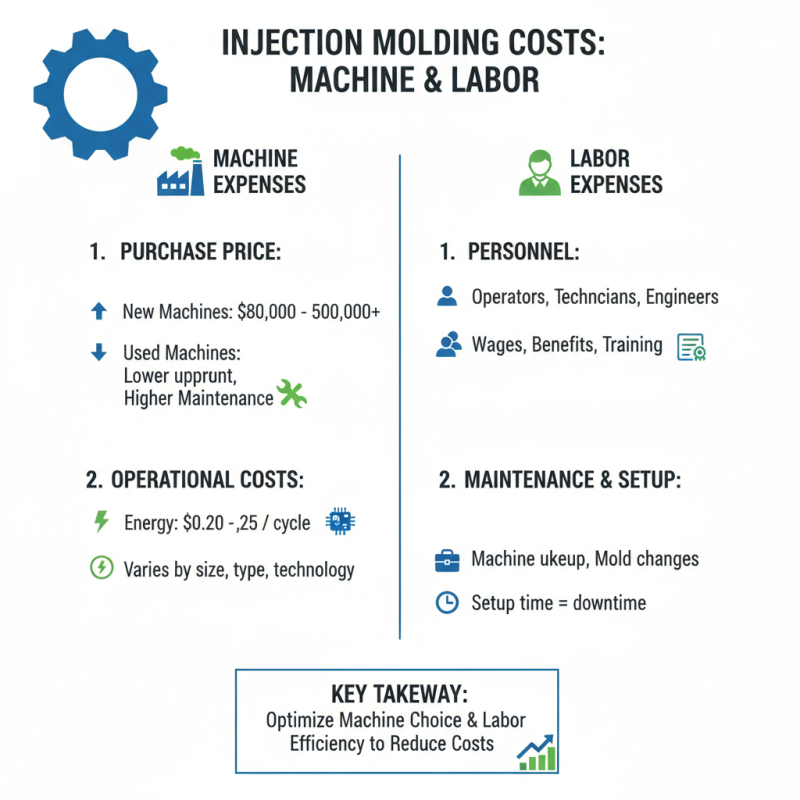
When analyzing injection molding costs, machine and labor expenses are crucial. The machinery used can range significantly in price. For example, a new injection molding machine can cost between $80,000 and $500,000. This variability depends on size, type, and technology. Older machines might be cheaper but can lead to higher maintenance costs. Daily operational costs can also add up, with energy consumption averaging around $0.20 to $0.25 per cycle.
Labor costs are another significant factor. Skilled labor is essential for quality control, yet it can be costly. On average, labor costs represent about 20% to 30% of total production expenses. In some regions, skilled labor can exceed $25 per hour. This is less costly than hiring unskilled workers, but their efficiency often varies. Companies may need to balance hiring costs with the expertise needed for complex molds.
Errors and inefficiencies in both machine operation and labor can lead to increased costs. Machine downtime, for example, can significantly impact productivity. If a machine is down for maintenance, it can delay production schedules and inflate costs. Similarly, poorly trained labor can cause defects, leading to waste. Continuous assessment and training of personnel are necessary to maintain optimal efficiency and lower overall costs in injection molding operations.
Design Considerations: How Part Complexity Affects Injection Molding Cost
Injection molding costs can significantly vary based on part complexity. A complex design often leads to higher tooling costs. Reports indicate that intricate features, such as undercuts or thin wall sections, can increase the price by 20-30%. Simplifying designs can result in substantial savings.
Material choice plays a role too. Standard materials are cheaper than specialized resins. A study shows that using common thermoplastics can decrease costs by up to 15%. Furthermore, the number of cavities in a mold affects production efficiency. More cavities can reduce cycle time but increase upfront mold expenses.
There’s a trade-off between design and manufacturing costs. Highly complex parts may require advanced tooling techniques, leading to longer lead times. It’s worth questioning if the complexity enhances product function or aesthetics. Balancing cost-efficiency and design integrity is critical in injection molding. Decisions made early can lead to better outcomes.
Estimating Volume: Calculating Costs Based on Production Quantity
Estimating the volume for injection molding is crucial. The production quantity directly impacts costs. More units typically lead to lower costs per unit. But what if you overestimate the needed volume? Too many units can result in excess inventory. This can tie up capital unnecessarily.
When calculating costs, consider the mold's lifespan. Shorter runs mean higher per-unit costs due to initial setup expenses. A production run of 1,000 units might seem reasonable. But if the actual demand is 800 units, you face high per-unit costs. It’s essential to assess market demand before finalizing volume.
Another aspect to consider is the complexity of the part design. More complex designs often require specialized molds. This increases costs and time for production. Are you prepared for that? Balancing production quantity with design complexity is vital for effective cost calculation. Evaluate each factor carefully. Make informed decisions, but allow room for adjustments.
Injection Molding Cost Estimation Based on Production Quantity