10 Essential Tips for Reducing International Plastic Waste?
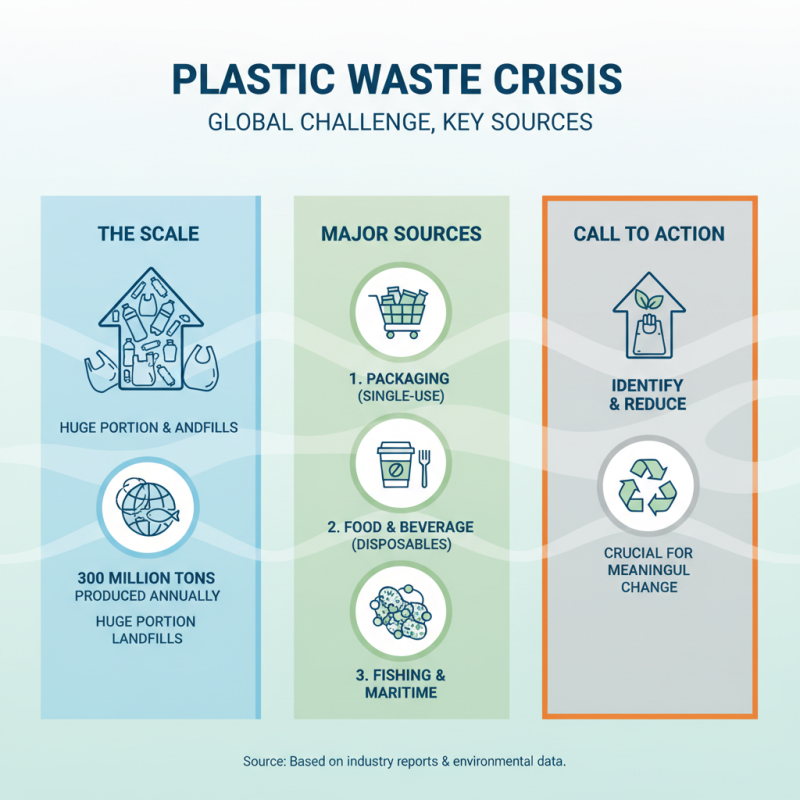
Plastic waste is a growing concern in our global society. Every year, an estimated 300 million tons of plastic are produced worldwide. A significant portion of this ends up in oceans, harming marine life. According to the World Economic Forum, if we continue on this path, our oceans could contain more plastic than fish by 2050. This alarming statistic highlights the urgency to address international plastic waste collectively.
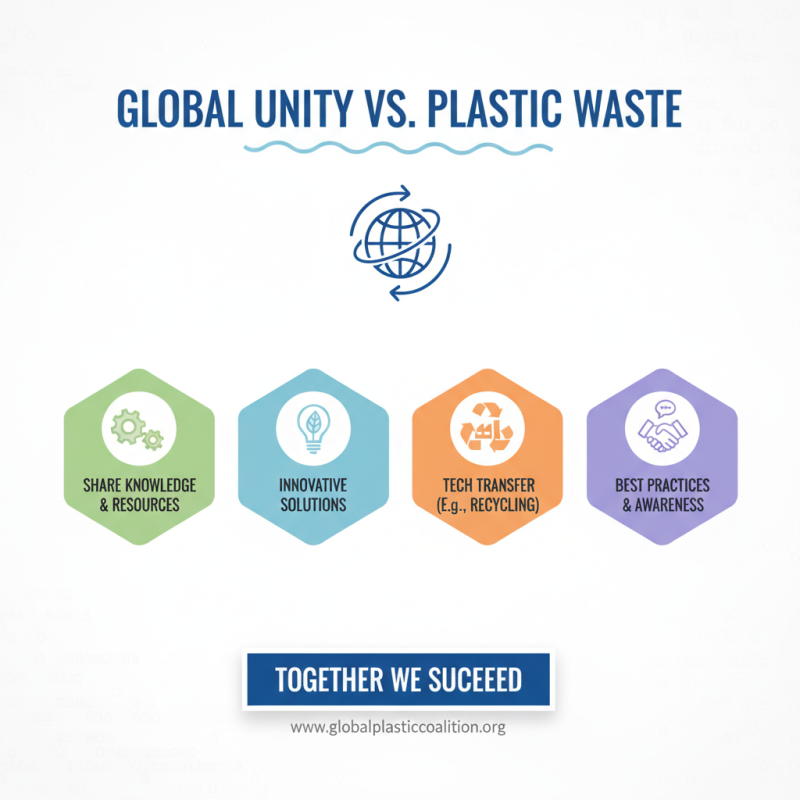
In the past decade, countries have implemented various measures to reduce plastic usage. However, the progress remains inadequate. For instance, single-use plastics still dominate consumer habits. Every minute, a truckload of plastic enters our oceans. This shocking detail urges a reevaluation of our consumption patterns. International collaboration is essential; innovative solutions and responsible practices must be shared across borders.
Recycling rates lag behind production levels. According to the OECD, only 9% of plastic waste is ever recycled. This reality calls for immediate action from individuals and industries alike. Initiatives must not only focus on recycling but also on reducing plastic consumption at the source. By committing to sustainable practices, we can inspire change and mitigate the impacts of international plastic waste.
Understanding the Global Impact of Plastic Waste on the Environment
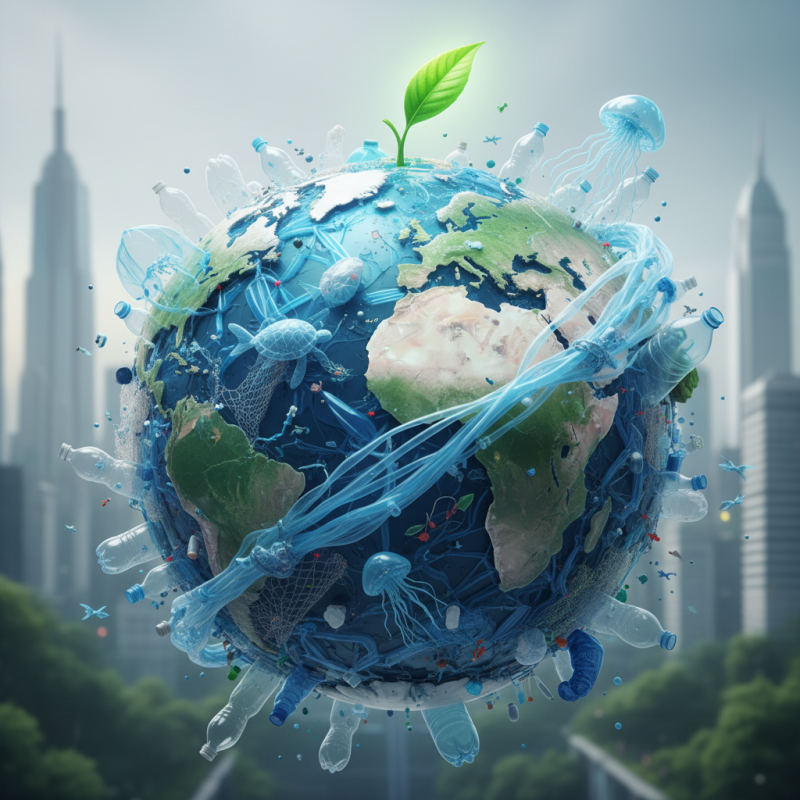
Plastic waste poses a severe threat to our environment. Every year, millions of tons of plastic enter our oceans, harming marine life and ecosystems. The impact is far-reaching. Turtles mistake plastic for food, and birds feed it to their chicks. Each piece of plastic breaks down into microplastics, infiltrating our soil and water.
Reducing this waste starts with our daily choices. One essential tip is to choose reusable bags and containers. This small change can significantly lower plastic consumption. Another tip is to support local initiatives that promote recycling. Many communities engage in beach clean-ups and educational programs. Joining these efforts fosters a collective responsibility toward the planet.
Making individual changes matters, yet it often feels overwhelming. Limiting single-use items can seem challenging. However, small acts accumulate. Replace straws with metal ones. Refuse plastic cutlery at takeout. Reflect on your consumption habits. Each choice invites a larger discussion on sustainability and accountability. The journey toward a sustainable lifestyle is ongoing and requires reflection on our collective impact.
Global Plastic Waste by Source (in Million Tons)
Identifying Sources of International Plastic Waste in Daily Life
Plastic waste is a pressing issue worldwide. Each year, an estimated 300 million tons of plastic are produced. A large portion of this ends up in oceans, landfills, and our daily lives. Identifying sources of this waste is crucial for meaningful reduction efforts.
Everyday activities contribute significantly to plastic waste. For example, single-use plastics like bags, straws, and bottles are everywhere. A report from the World Economic Forum noted that 91% of plastic is not recycled. This statistic reveals a shocking reality that many individuals overlook. Convenience often leads us to choose plastic options without considering the long-term impact on the environment.
Household items also play a role. Many cleaning products and toiletries come in plastic packaging. In the U.S., a staggering 95% of plastic packaging is discarded after a single use. This harsh truth forces us to reflect on our consumption habits. Making conscious choices can reduce waste. Small changes can lead to significant impact. Carrying reusable bags or using glass containers is a step in the right direction. Awareness is the first step towards minimizing our individual plastic footprint.
Implementing Effective Recycling Programs Across Borders
Implementing effective recycling programs across borders is crucial in tackling plastic waste. The need for coordinated efforts is more pressing than ever. According to a 2021 report by the World Economic Forum, only 9% of plastic waste ever produced has been recycled. This stark figure underscores the necessity for global solutions. Many countries still lack proper recycling infrastructures. This gap leads to significant amounts of plastic entering oceans and landfills.
Collaboration between nations can enhance recycling systems. Countries can share successful strategies and technologies. For example, the European Union has introduced the Circular Economy Action Plan, aiming to make all packaging recyclable by 2030. However, while regulations exist, implementation remains uneven across member states. Investigating local needs and capacities is key. Each country has unique challenges in managing plastic waste.
Education plays a vital role as well. Often, communities are unaware of proper recycling methods. Research shows that enhanced public awareness can increase recycling rates by up to 30%. However, just raising awareness isn’t enough. Effective recycling requires consistent participation and trust in the systems. Awareness must be matched with accessible facilities and clear guidance.
Promoting Alternatives to Single-Use Plastics in Consumer Choices
The growing reliance on single-use plastics is alarming. Many of us use items like plastic straws and bags daily. These convenience options pollute our environment and threaten wildlife. We can make a difference by choosing alternatives.
Consider reusable bags instead of plastic ones. They are sturdy and easy to carry. Stainless steel water bottles can replace single-use plastic bottles. These small changes in our habits can significantly reduce plastic waste. Biodegradable options for food containers are also gaining popularity. While they sound great, some still need better disposal systems.
Switching to sustainable choices can feel overwhelming. Not everyone knows about alternatives. Education plays a vital role in promoting these options. Sometimes, the alternatives might be pricier. This can deter people from making the switch. However, we must stay informed and support each other in this journey. Every action counts, and together we can foster a more sustainable future.