Exploring the Top Types of Plastic Fabrication Techniques for Your Projects?
Plastic fabrication is a crucial process in various industries, from automotive to consumer goods. According to a recent report by Grand View Research, the global plastic fabrication market was valued at over $550 billion in 2022 and is projected to grow steadily. This growth reflects the increasing demand for customized and efficient manufacturing methods to meet consumer needs.
Various fabrication techniques exist, each with its unique benefits and drawbacks. Techniques like injection molding offer precision but may require significant upfront investment. In contrast, methods like 3D printing are more accessible but might not always provide the durability needed for industrial applications. Understanding these differences is essential for selecting the right approach for your project.
As the industry evolves, challenges persist. Sustainability remains a significant concern. New materials and processes are needed to reduce environmental impacts. Choices in plastic fabrication can influence not just project success but also align with broader environmental goals. This evolving landscape requires ongoing reflection and adaptation.
Types of Plastic Materials Commonly Used in Fabrication Techniques
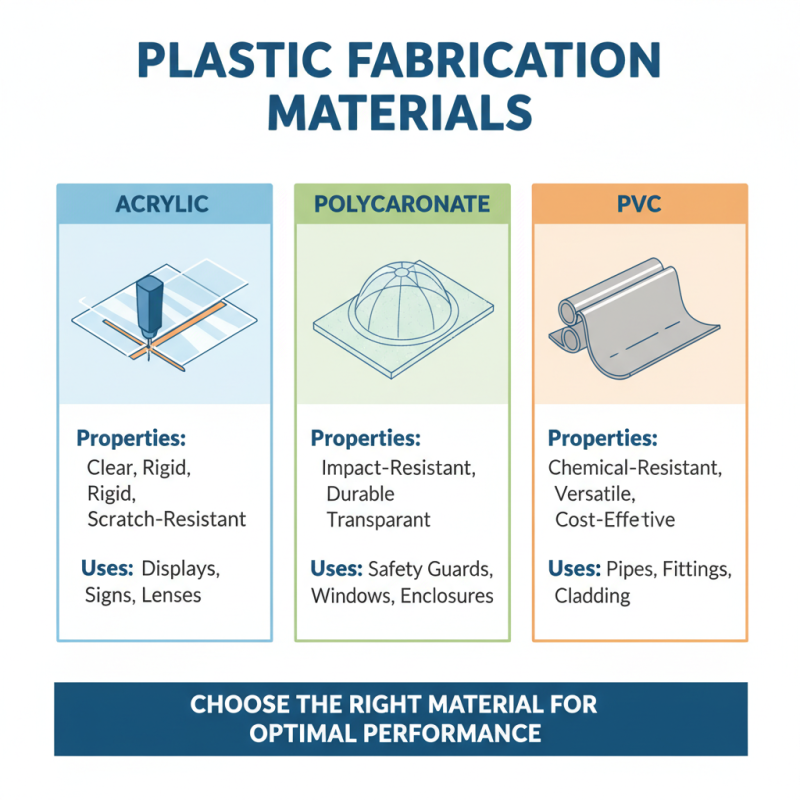
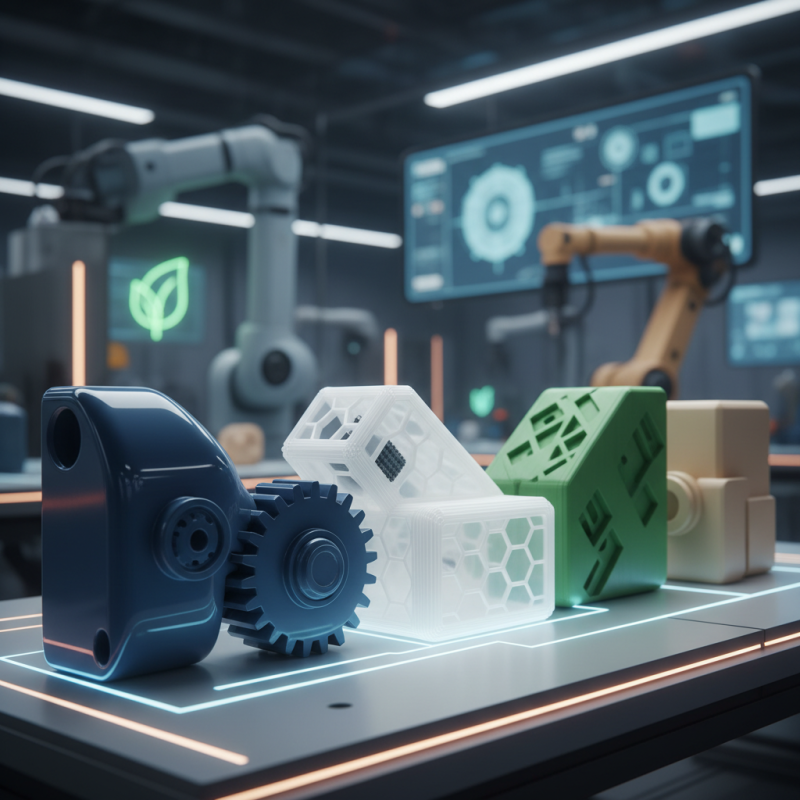
When discussing plastic fabrication, it’s essential to focus on the types of materials used. Different projects require specific materials for optimal performance. Common plastics include acrylic, polycarbonate, and PVC. Each of these materials has unique properties that make them suitable for various applications.
Acrylic is known for its clarity and impact resistance. It's often used in displays or protective barriers. Polycarbonate is favored for its strength and flexibility, making it ideal for safety glasses and tough applications. PVC, on the other hand, is widely used due to its durability and chemical resistance, commonly found in pipes and construction materials.
Choosing the right material can be challenging. Not every plastic suits every project. You may find that your initial choice needs adjustment during the fabrication process. This reflection is crucial for achieving the best results. Understanding the characteristics of each plastic is key to making informed decisions. Design flaws can arise from inappropriate material selection, leading to wasted time and resources.
Overview of Thermoforming and Its Applications in Projects
Thermoforming is a popular plastic fabrication technique. It involves heating plastic sheets until they become pliable. Once heated, the plastic is shaped into molds. This process is efficient and versatile. It can create various products, from packaging to automotive parts.
Applications of thermoforming are extensive. Many industries utilize this technique for its cost-effectiveness. For instance, food packaging often uses thermoformed containers. They are lightweight and protect products well. Additionally, thermoforming is common in the medical field. Custom trays for instruments are crafted this way, ensuring safety and organization.
Yet, thermoforming isn’t without challenges. Achieving the right temperature is crucial. Overheating can lead to material degradation. In some cases, the molds can wear down, affecting quality. It's essential to monitor these factors closely during production. Design considerations also play a significant role. Simple shapes are easier to produce than complex ones. This complexity can lead to higher costs and longer lead times. Balancing quality with efficiency is key in thermoforming projects.
Introduction to Injection Molding: Process and Benefits
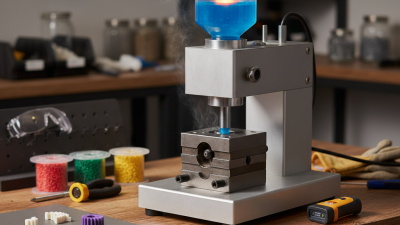
Injection molding is a widely used plastic fabrication technique. It involves injecting molten plastic into a mold. This process allows for high-volume production of parts with complex shapes. The mold is usually crafted from metal and consists of two halves. Once the plastic cools, the mold opens to reveal the finished product.
The benefits of injection molding are significant. It enables precise replication of designs. Parts produced this way often have smooth surfaces and tight tolerances. Production cycles can be rapid, minimizing lead times. However, the initial cost of mold creation can be high. Designers must carefully plan their projects to offset these costs.
Despite its advantages, injection molding has limitations. It might not be suitable for small production runs. Changes to the design after mold creation can be costly. Each project requires careful consideration of these aspects. This means teams can sometimes overlook important factors. Refinement of designs is essential for success.
Top Plastic Fabrication Techniques Comparison
This chart displays the popularity ratings of various plastic fabrication techniques. Injection molding stands out as the most popular method due to its efficiency and cost-effectiveness, while techniques like compression molding are less favored in comparison.
Exploring the Advantages of 3D Printing in Plastic Fabrication
3D printing has reshaped plastic fabrication. This technique offers flexibility and speed. According to a recent industry report, 3D printing can reduce production time by 50%. Traditional methods often involve longer setups and tooling costs. With 3D printing, prototypes can be ready in hours instead of days.
Material versatility is another advantage. A wide range of plastics can be used, from flexible materials to durable composites. Data shows that nearly 30% of manufacturers prefer 3D printing for custom parts. However, challenges remain. The quality of prints can vary based on the printer model and settings. This inconsistency can lead to unexpected results, prompting users to rethink designs.
Cost-effectiveness is notable as well. 3D printing minimizes waste compared to traditional methods. A study indicated that waste reduction can be up to 80%. Yet, initial investment in technology can be steep. Many companies hesitate, fearing high startup costs. Balancing investment and operational efficiency is an ongoing dilemma in the industry.
Understanding CNC Machining and Its Role in Plastic Fabrication
CNC machining has transformed plastic fabrication. This technique uses computer-controlled tools to create precise parts from plastic materials. It allows for intricate designs and configurations that manual methods cannot achieve. This precision is crucial for industries requiring high performance and reliability.
Working with CNC machining involves various challenges. For example, selecting the right type of plastic is vital. Different plastics behave differently under machining conditions, affecting the final product. Errors in this process can lead to wasted materials and increased costs. Thus, careful planning is essential.
Additionally, understanding the capabilities of CNC machines is key. They can handle complex cuts and shapes. However, they may struggle with certain materials, limiting design options. Exploring alternative methods requires critical thinking. Continuous learning and adapting are necessary in this evolving field.