How to Understand the Injection Molding Process for Beginners?
Understanding the injection molding process is crucial for beginners in manufacturing. This technique shapes materials into desired forms, primarily used in plastic production. Despite its widespread application, many struggle to grasp the complexities involved.
Injection molding involves melting plastic pellets and injecting them into a mold. The process seems straightforward, yet various factors can influence the outcome. From temperature control to mold design, each element plays a critical role. Beginners often overlook the importance of these details, leading to defective products.
Engaging with the injection molding process means acknowledging that mistakes happen. For many, the initial attempts may yield unsatisfactory results. Learning from these experiences is key. Embracing the journey can improve understanding and foster innovation in this essential manufacturing method.
Overview of Injection Molding Process
Injection molding is a widely used manufacturing process that involves creating parts by injecting molten material into a mold. This method is popular due to its efficiency and ability to produce complex shapes. It is essential to understand the key steps in this process to appreciate how it works.
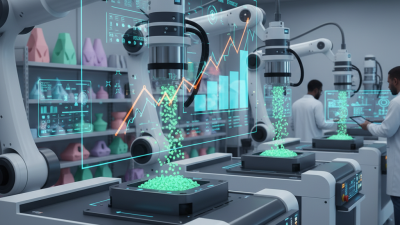
During the injection molding process, the material, often thermoplastics or thermosetting polymers, is heated until it becomes a liquid. The liquid is then injected into a precisely designed mold. This mold defines the shape of the final product. After filling the mold, the material cools and solidifies, forming the desired shape. The cycle repeats, leading to mass production.
One crucial aspect to consider is the importance of mold design. A poorly designed mold can lead to defects, such as uneven thickness or air bubbles. This highlights the need for expertise in mold engineering. Moreover, choosing the right material is equally important. The properties of the material affect the end result. Beginners may face challenges in adjusting the parameters like temperature and pressure. Small mistakes can lead to significant waste or product failure. Understanding these nuances takes time and practice.
Injection Molding Process Understanding
This bar chart illustrates the typical time duration for each phase of the injection molding process. Understanding these steps—Material Preparation, Heating, Injection, Cooling, and Ejection—can help beginners grasp the overall workflow involved in manufacturing parts through injection molding.
Key Components of Injection Molding Machines
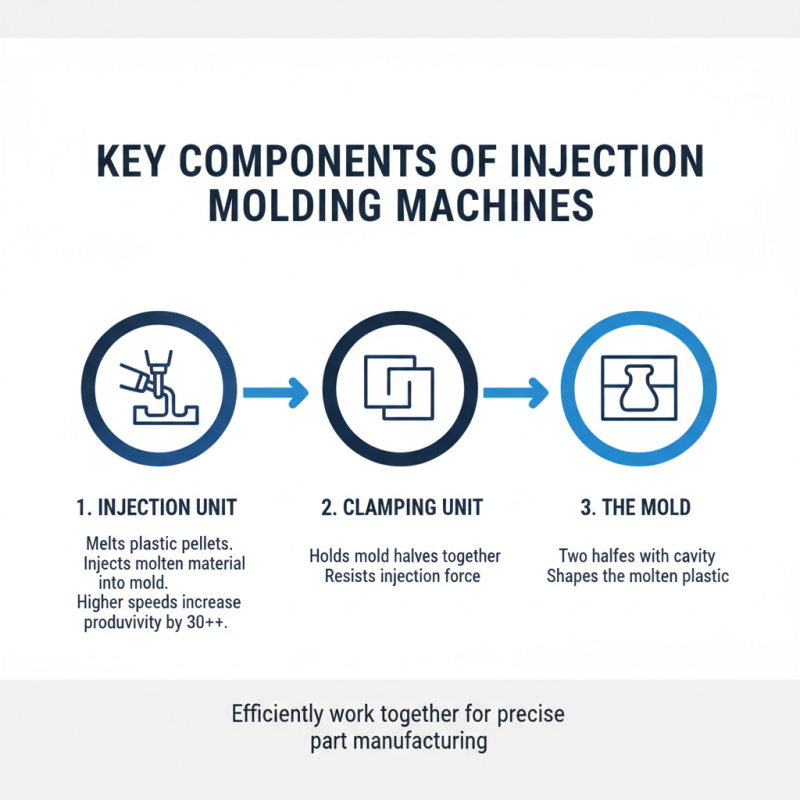
Injection molding is a complex process involving several key components that work together efficiently. Central to the process is the injection molding machine itself. It typically includes three primary parts: the injection unit, the clamping unit, and the mold. The injection unit melts plastic pellets and injects the molten material into the mold. According to industry data, this component can influence production rates dramatically. Machines offering higher injection speeds often result in shortened cycle times, enhancing productivity by 30% or more.
The clamping unit is another crucial element, responsible for holding the mold closed during injection. A strong clamping force is essential to prevent any leakage of the molten plastic. As reported by industry experts, enhanced clamping mechanisms have improved mold holding accuracy, which directly affects product quality. However, many beginner operators overlook the significance of mold design. Poor mold design can lead to defects like warping and incomplete filling, highlighting the need for thorough planning and testing.
Molds themselves are usually fabricated from high-quality steel or aluminum, depending on the production requirements. It's worth noting that even with the best equipment, human error can play a significant role. Operators might unintentionally miscalculate material temperatures or injection speeds, resulting in defective products. Continuous training and process optimization are vital for reducing these risks and ensuring quality production in injection molding. Balancing technology and human oversight can lead to better outcomes in this intricate manufacturing method.
Step-by-Step Workflow of Injection Molding
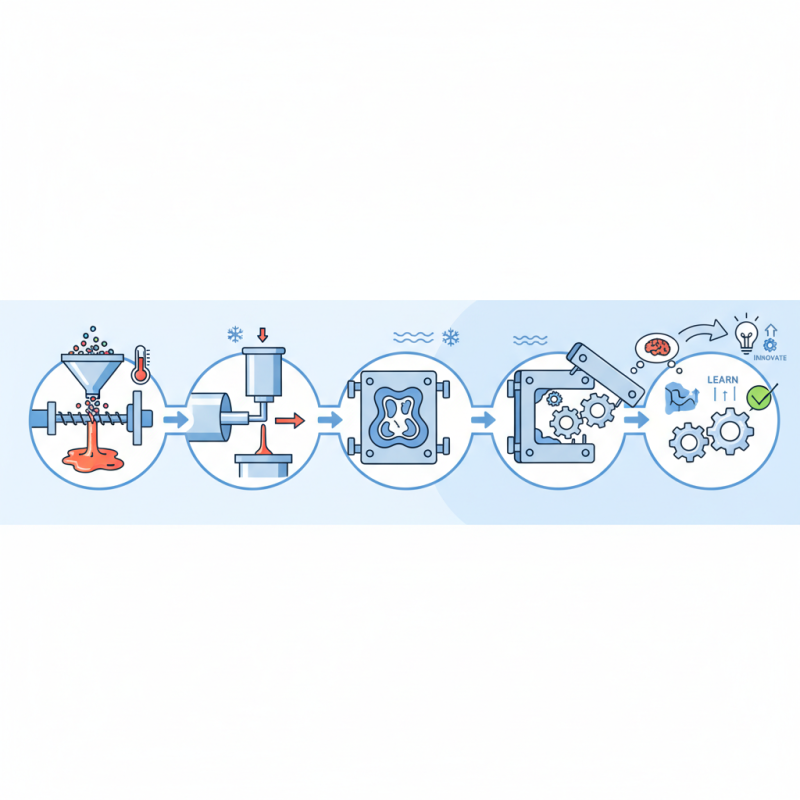
Understanding the injection molding process can seem daunting for beginners. However, breaking it down into a step-by-step workflow reveals its intricacies. To start, raw plastic material is fed into a heated barrel. The heat melts the plastic, preparing it for shaping. This is a critical moment; too much heat can degrade the material.
The next step involves injecting the molten plastic into a mold. This occurs under high pressure, ensuring that every detail of the mold is filled. It’s important to have a well-designed mold, as imperfections can lead to defects in the final product. After filling, the material cools and solidifies. Monitoring the cooling time is vital; if it’s too short, the part may warp, while too long can delay production.
Finally, the mold opens, and the finished part is ejected. This stage sounds simple but requires precision. If the part sticks, it can damage both the piece and the mold. Understanding these steps allows beginners to appreciate the process while recognizing areas for improvement. Each phase offers lessons in efficiency and design considerations. As you dive further into injection molding, reflecting on these small yet significant details can enhance your understanding.
Common Materials Used in Injection Molding
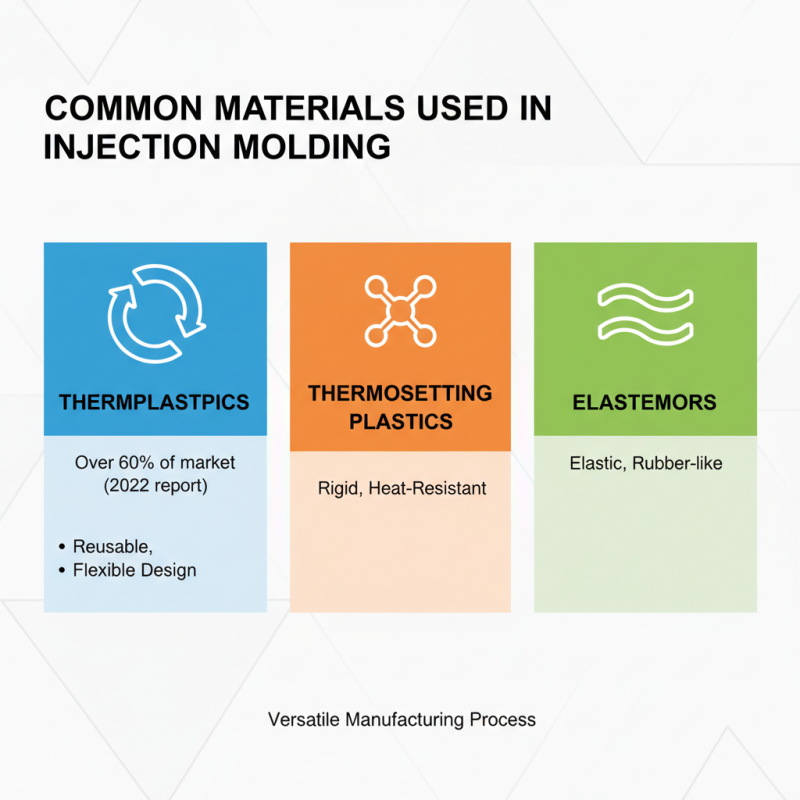
Injection molding is a highly versatile manufacturing process, commonly used across various industries. Understanding the main materials involved is key for beginners. The most frequently used materials include thermoplastics, thermosetting plastics, and elastomers. According to a 2022 market report, thermoplastics account for over 60% of the injection molding market due to their reusability and flexibility in design.
Common thermoplastics include polycarbonate (PC) and acrylonitrile butadiene styrene (ABS). PC is favored for its durability and optical clarity, making it suitable for parts that require transparency and strength. ABS is widely used due to its easy processing and impact resistance. Notably, the global demand for ABS has increased by 5% annually.
Consider these tips: always evaluate the specific properties of materials for your projects. Each plastic has unique attributes that may alter the end results. For instance, while thermoplastics are great for high-volume runs, they may not withstand high temperatures as well as thermosetting plastics. Reflect on the long-term implications of material choice, as some may have recycling challenges or environmental concerns. It’s crucial to stay informed about advancements in materials to ensure sustainable practices in injection molding.
Applications and Benefits of Injection Molding
Injection molding is a highly effective manufacturing process. It allows for the production of complex shapes with high precision. This technique is widely used in various industries, from automotive to consumer goods. Its ability to create detailed components quickly makes it a popular choice.
The applications of injection molding are diverse. It produces items like bottle caps, plastic housings, and toys. The process is not limited to small parts. Large products, such as car panels, can also be manufactured using this method. The versatility of injection molding leads to reduced waste. It minimizes the need for extensive material use.
Benefits of injection molding include efficiency and cost-effectiveness. Once the mold is designed, the process can repeat quickly. However, creating molds can be expensive. This initial investment may be daunting for beginners. The quality of the final product often depends on the mold’s design. Some may experience challenges during this phase. Errors can lead to mistakes in production, highlighting the need for attention to detail.
How to Understand the Injection Molding Process for Beginners? - Applications and Benefits of Injection Molding
| Dimension |
Description |
Applications |
Benefits |
| Material Types |
Commonly used materials include thermoplastics, thermosetting plastics, and elastomers. |
Used in automotive parts, consumer electronics, and household items. |
High production efficiency and scalability. |
| Process Steps |
The process involves clamping, injecting, cooling, and ejecting. |
Ideal for mass production of intricate designs. |
Ability to produce complex shapes with high precision. |
| Cost Efficiency |
Initial setup costs can be high, but production costs decrease with volume. |
Large scale manufacturing, including toys and packaging. |
Lower per-unit cost as production scales up. |
| Environmental Impact |
Recycling options available for some plastic materials. |
Manufacturing sectors focused on sustainability. |
Use of biodegradable materials can improve environmental footprint. |