2026 Top Suppliers to Order Injection Molded Parts?

Choosing where to order injection molded parts in 2026 requires more than comparing online prices. The right supplier should prove its capability through tooling records, material certificates, inspection data, and repeatable production results. A polished website is not enough.

John Bozzelli, a respected scientific molding educator, often reminds manufacturers, “Measure the process, not just the part.” That principle guides this review of leading injection molding suppliers. Strong vendors monitor melt temperature, fill pressure, cooling time, and dimensional variation. They also explain their methods clearly.

Details matter.

A reliable supplier should support design-for-manufacturing reviews before cutting steel. It should identify sink marks, weld lines, warpage risks, and difficult draft conditions early. Sample parts should arrive with inspection reports, not vague assurances. For demanding components, look for controlled resin storage, documented mold maintenance, and traceable process changes.

Cost still matters. However, the cheapest quote can become expensive after rework, missed deadlines, or unstable quality. The best suppliers balance pricing with engineering depth, production capacity, communication, and delivery discipline. Some companies claim global capability but outsource critical steps without explaining the handoffs. That deserves scrutiny.

This guide compares the 2026 top suppliers to order injection molded parts, using practical criteria for prototypes, low-volume runs, and high-volume manufacturing. The ranking is not permanent. Markets change, factories improve, and even experienced suppliers occasionally miss a target. That is why verified evidence matters more than impressive promises. Expect a few difficult questions. They often reveal the most dependable partner.

2026 Top Suppliers to Order Injection Molded Parts?

What Are Injection Molded Parts and Why Order Them in 2026?

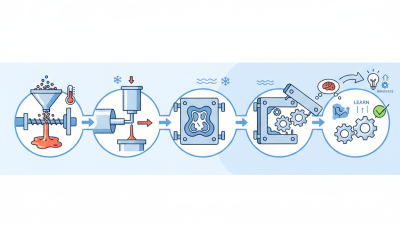
Injection molded parts are components formed by forcing heated plastic into a shaped metal mold. After cooling, the part keeps the mold’s geometry. This process supports housings, clips, medical components, and automotive interiors.

The value becomes clearer in 2026. Grand View Research estimated the global injection molded plastics market at about US$387.5 billion in 2023. It also projected a 4.6% annual growth rate from 2024 to 2030. Fortune Business Insights reported continued growth in injection molding equipment demand through 2032. These figures suggest strong production capacity, but growth does not guarantee reliable parts. A supplier must still control shrinkage, warpage, flash, and color variation. Small defects can appear around a 1.2-millimeter wall or a sharp internal corner. Material choice matters too. Recycled resin may reduce impact, yet it can change strength or surface finish. That trade-off deserves testing.

Tips: Request a design-for-manufacturing review before ordering. Ask for resin certificates, dimensional reports, and sample approval records. Compare suppliers by total cost, not unit price alone. Tooling, inspection, packaging, and rejected parts can change the final number. For high-volume orders, confirm cavity balance and cycle-time data. For smaller batches, a simpler mold may be more practical. Forecasts are useful, but imperfect. Your actual geometry, tolerance, and annual volume should guide the decision.

How to Evaluate Injection Molded Parts Suppliers

How to Evaluate Injection Molded Parts Suppliers in 2026

Choosing an injection molded parts supplier requires more than comparing unit prices. Review their experience with similar materials, tolerances, wall thicknesses, and production volumes. Ask for sample parts, inspection reports, and clear evidence of process control. A polished presentation proves little.

Examine the supplier’s tooling knowledge carefully. Their engineers should discuss draft angles, sink marks, weld lines, cooling channels, and mold maintenance. Request a design-for-manufacturing review before production begins. Check whether material batches are traceable and whether critical dimensions receive documented inspection. Communication matters too. Slow or vague replies may become expensive delays. Good quality is measurable.

Tips:

Ask for a small trial run before approving full production. Compare first-article parts with the approved drawings. Confirm lead times, packaging methods, replacement policies, and production capacity in writing. A capable supplier should explain risks without hiding behind technical language. Still, no evaluation is perfect. Forecasts can change, and even experienced teams may overlook a difficult feature. Leave room for corrective actions and review performance after delivery. Suppliers that welcome questions are often easier to trust, but trust should remain supported by records, measurements, and consistent results.

Which Supplier Types Serve Different Project Requirements?

Choosing an injection molded parts supplier starts with project reality, not a generic ranking. A local mold shop suits prototypes, bridge tooling, and frequent design changes. Its engineers can inspect a 3D-printed sample beside the mold, then adjust draft or wall thickness quickly. Lead times may be shorter, but production capacity can be limited.

Contract manufacturers fit teams needing design support, tooling, molding, assembly, and inspection under one agreement. This model reduces handoffs for medical, automotive, and electronic components. High-volume molding specialists are better for stable designs and long production runs. Their automated presses, resin drying systems, and process monitoring can improve repeatability. Grand View Research estimates the global injection molded plastics market will continue growing through 2030, with packaging, automotive, and electronics remaining major demand sectors. That growth does not mean every supplier can manage complex tolerances.

For urgent sourcing, a qualified manufacturing marketplace can compare multiple factories and provide faster quotations. However, quotation speed is not proof of process capability. Ask for dimensional inspection records, material traceability, mold-maintenance plans, and evidence of similar part experience. ISO 9001 certification helps, but it cannot replace a technical audit. A low quote can still be an expensive lesson. MarketsandMarkets reports continuing expansion in injection molding machinery demand, reflecting wider automation investment. Still, automation cannot correct poor part design. I would review the supplier’s first-article process before approving full production, because overlooked assumptions often appear only after steel is cut.

How to Compare Pricing, Quality, Lead Times, and Capabilities

When comparing suppliers for injection molded parts in 2026, pricing should never stand alone. Request a quotation that separates mold construction, resin, sampling, inspection, packaging, and shipping. A low tooling price may hide softer steel, limited mold life, or extra revision charges. Ask for a sample cost breakdown.

Quality becomes visible in details. Review tolerance charts, material certificates, first-article reports, and documented inspection methods. Experienced suppliers can explain shrinkage, warpage, weld lines, and gate placement before production begins. Request photographs of comparable molds and measured samples, not only polished presentation images. Small details matter.

Lead time should include design review, mold fabrication, testing, corrections, and production capacity. A supplier promising ten days may exclude trial runs. That creates risk. Ask for a dated project schedule and identify the person responsible for each stage. Capabilities also deserve careful comparison. Check press sizes, automation, insert molding, overmolding, surface finishing, and secondary assembly. Confirm whether these processes happen in-house or through outside partners.

My own early estimates have been wrong when part geometry changed late. That mistake taught me to compare engineering support, not just hourly rates. A capable supplier may cost more initially but reduce redesigns, scrap, and delayed shipments. Still, higher pricing does not guarantee better work. Verify claims with production records, inspection samples, and clear communication during a technical review.

How to Select and Order from a Reliable Supplier Wisely

2026 Top Suppliers to Order Injection Molded Parts?
How to Select and Order from a Reliable Supplier Wisely

Selecting an injection molding supplier in 2026 requires more than comparing a low piece price. A reliable partner should explain resin selection, mold design, cycle time, and expected tolerances. Ask for recent samples with measured dimensions, not polished photos. Review inspection methods, machine capacity, tooling ownership, and corrective-action records. Their answers reveal practical experience.

Before ordering, send a complete drawing, 3D file, resin grade, annual volume, color standard, and packaging requirements. Request a quotation separating tooling, sampling, production, inspection, and freight. Confirm the approval process for first articles. Define what happens after a failed measurement. A small trial order can expose warpage, flash, uneven texture, or inconsistent packing. Do not skip this step. Keep written records of revisions and sample approvals.

Tips: Compare at least three technically suitable suppliers. Score them on quality evidence, response speed, capacity, and total cost. Check whether the quoted tolerance matches the material and mold structure. Ask who performs final inspection and how data is retained. Leave room for mistakes. Plastic can move after molding. Verify one critical dimension at room temperature and after conditioning. This extra check may feel excessive, but it can prevent expensive surprises.

2026 Top Suppliers to Order Injection Molded Parts? - How to Select and Order from a Reliable Supplier Wisely

Practical supplier-evaluation scorecard for comparing injection molding partners before placing an order

Evaluation Dimension What a Reliable Supplier Should Demonstrate Practical Benchmark for 2026 Orders Documents or Evidence to Request Warning Sign
Mold and Part Design Review Reviews draft angles, wall thickness, ribs, bosses, weld lines, shrinkage, ejection, and parting lines before quoting. A documented DFM review before tooling approval, with design changes clearly marked and approved. DFM report, marked-up 2D drawing, 3D mold-flow findings when required, and revision history. Quote is issued without checking the part design or material requirements.
Material Control Uses the specified polymer grade, color, additives, and regrind policy without unauthorized substitutions. Material certificates and lot traceability are available for every production batch where required. Material datasheet, certificate of analysis, lot number, safety documentation, and approved material declaration. Supplier proposes a lower-cost resin without written customer approval.
Dimensional Capability Matches the production process and inspection method to the drawing tolerances and functional requirements. Critical dimensions have defined tolerances, measurement methods, and capability targets agreed before production. Inspection plan, calibrated equipment list, first-article report, and capability study for critical features. Supplier guarantees one universal tolerance for every part size and geometry.
Quality Management Operates a documented quality system with nonconformance control, corrective action, and process records. A current ISO 9001 certificate is preferred for general industrial production; sector-specific certification may be required for regulated products. Certificate scope, audit status, quality manual summary, corrective-action examples, and inspection records. Certificate cannot be verified or does not cover the manufacturing site being used.
Tooling Construction Provides a mold design, steel selection, cooling layout, expected tool life, maintenance plan, and ownership terms. Tool design approval occurs before machining, and ownership, storage, maintenance, and transfer conditions are written into the contract. Mold-flow or tooling review, steel certificates, mold specification, maintenance schedule, and tool-ownership clause. Tooling cost and production-part price are combined with no separate ownership terms.
Prototype and Validation Supports prototype parts, trial shots, dimensional review, functional testing, and controlled design corrections. A sample approval gate is completed before mass production; all deviations are documented and accepted. Trial-shot report, sample approval form, dimensional report, appearance standard, and approved limit samples where applicable. Supplier requests full-volume production before providing measurable samples.
Production Capacity Has suitable molding machines, auxiliary equipment, skilled personnel, and backup capacity for the forecasted demand. Available machine tonnage and planned utilization are confirmed against the part size, material, cycle time, and annual volume. Machine list, platen and shot-size information, capacity plan, maintenance records, and production schedule. Capacity is described only as “large” or “unlimited,” without machine or scheduling details.
Lead Time and Delivery Separates engineering, tooling, sampling, production, inspection, and shipping lead times. The purchase order includes milestone dates, delivery terms, packaging requirements, and a process for delay notification. Detailed project schedule, capacity reservation, logistics quotation, packaging specification, and delivery performance history. Only one total lead-time number is provided with no milestone breakdown.
Cost Transparency Separates mold cost, piece price, secondary operations, packaging, inspection, tooling maintenance, shipping, and applicable taxes or duties. At least three comparable quotations are reviewed using identical drawings, materials, quantities, Incoterms, and quality requirements. Itemized quotation, price-break table, tooling payment milestones, validity period, and change-order policy. The lowest unit price excludes tooling, inspection, packaging, or freight charges.
Traceability and Documentation Maintains revision-controlled drawings, batch records, inspection data, and shipment documentation. Every shipment can be linked to a purchase-order revision, material lot, production date, and inspection result. Document-control procedure, batch labels, certificate package, inspection report, and retention policy. Supplier cannot identify which material lot or drawing revision was used.
Compliance and Product Risk Understands the regulatory, safety, chemical, environmental, and end-use requirements relevant to the part. Compliance requirements are defined before quoting and are verified through appropriate declarations, tests, or certificates. Material declarations, test reports, restricted-substance statements, sector certifications, and customer-specific compliance records. Supplier claims compliance without identifying the applicable requirement or test method.
Communication and Change Control Assigns a responsible project contact and obtains written approval for changes to material, tooling, process, location, or subcontractors. Technical questions receive clear written responses, and engineering changes are tracked by revision and approval date. Communication matrix, engineering-change form, escalation procedure, and approved supplier agreement. Changes are made verbally or discovered only after delivery.
Recommended ordering method: Issue the same drawing package and technical requirements to each candidate, compare total landed cost rather than unit price alone, approve samples before production, and include quality, tooling ownership, delivery, inspection, and change-control terms in the purchase agreement.