How to Choose Over Molding Manufacturers in 2026?

Choosing an over molding manufacturer in 2026 requires more than comparing hourly prices. The right partner must understand materials, tooling, automation, quality control, and production risk. A supplier may promise fast delivery, yet struggle when soft elastomers meet rigid engineering plastics. That weakness appears later, often after expensive tooling is complete.

Injection-molding educator John Bozzelli often reminds manufacturers, “A mold is a machine, not a piece of steel.” His point applies directly to over molding. A mold should deliver stable cycles, accurate alignment, clean bonding, and repeatable part quality. Buyers should examine mold-flow analysis, previous over molding samples, material traceability, and documented process validation. Ask to see how the supplier controls temperature, injection pressure, drying conditions, and insert placement. Request measurable evidence, not polished claims.

Walk through the production floor if possible. Look for organized material storage, calibrated inspection equipment, and operators who understand defect limits. Discuss tolerance changes before approving the design. Confirm whether the manufacturer supports prototype trials, design-for-manufacturing reviews, and corrective actions after testing. Also examine capacity, communication practices, and backup plans for tooling or material delays.

The lowest quote can become the highest cost.

Still, no supplier is perfect. Even experienced teams can underestimate flash, warpage, bonding variation, or cosmetic defects. That is why a realistic evaluation includes pilot runs and independent inspection. In 2026, reliable over molding manufacturers will combine engineering experience with transparent records, responsive communication, and disciplined production controls. Choose the partner that can prove consistency, not merely describe it.

How to Choose Over Molding Manufacturers in 2026?

What Over Molding Manufacturers Do and Why Their Expertise Matters

Over molding manufacturers do more than inject one material over another.

They design the bond between a rigid substrate and a softer or protective layer. Their engineers select compatible polymers, control melt temperature, and position gates to prevent weak seams. They also test shrinkage, adhesion, flash, and repeated handling. Small errors matter.

Their expertise matters as production volumes rise. PlasticsEurope’s Plastics—the Fast Facts 2024 reports 413.8 million tonnes of global plastics production in 2023.

Grand View Research’s 2024 market analysis identifies automotive, medical, and electronics applications as key injection molding demand areas. These sectors require stable dimensions, clean surfaces, and reliable material records.

A capable manufacturer connects laboratory testing with repeatable factory conditions.

Ask for mold-flow studies, documented process windows, and evidence of capability studies. Review how technicians handle moisture-sensitive materials and changing batch conditions. Check whether the supplier measures bond strength after heat, impact, and chemical exposure.

Do not accept attractive samples alone.

Samples can hide unstable production. I have seen a part pass visual inspection yet fail after thermal cycling. That failure may reflect poor design, weak validation, or both.

A useful supplier explains the weakness openly and proposes a measurable correction.

How to Define Your Product’s Over Molding Requirements

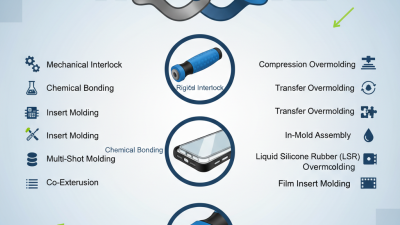
Before comparing over molding manufacturers in 2026, define the product precisely. Start with the substrate, over mold material, and intended bonding method. Specify whether the second material must chemically bond or mechanically lock. Record operating temperatures, humidity, oils, cleaners, ultraviolet exposure, and expected impact. These details shape resin selection and tool design.

Grand View Research valued the global injection molded plastics market at about USD 374 billion in 2023. Its report expects continued growth through 2030. That scale increases supplier choice, but it also increases specification risk. State the TPE hardness, color tolerance, surface texture, shrinkage limits, and critical dimensions. Include wall thickness targets, draft angles, gate locations, and acceptable flash. ISO 20457 can help structure tolerances for molded plastic parts. Do not copy generic tolerance tables blindly.

Test the actual material pair, not only sample plaques. Request mold-flow analysis, adhesion testing, dimensional reports, and first-article inspection data. MarketsandMarkets identifies automotive, medical, and consumer products as major injection molding application areas, each with different validation demands. A sealed grip may need compression testing, while a medical enclosure may require documented cleanliness controls. Keep the abuse conditions realistic. A neat spreadsheet can still miss hand oils, repeated twisting, or cold storage. Some assumptions will be wrong. Leave room for revision after prototype testing. I have seen attractive samples fail because the bond was tested only when new. Specify production volume, annual demand, cycle-time expectations, tooling ownership, and inspection frequency before requesting quotations.

How to Choose Over Molding Manufacturers in 2026?

How to Define Your Product’s Over Molding Requirements

Requirement Area What to Define Key Data to Provide Manufacturer Capability to Verify Suggested Starting Benchmark Priority
Product Function Identify whether the overmold provides grip, sealing, insulation, impact protection, vibration control, or assembly retention. Functional description, load cases, failure modes, user contact areas, and installation method. Design-for-overmolding review, mold-flow analysis, prototype process, and documented risk assessment. Every overmolded feature should have a defined function and measurable pass/fail test. Critical
Substrate Material Specify the rigid insert or first-shot material, including resin family, grade, reinforcement, and surface condition. Material standard, grade, color, moisture sensitivity, shrinkage, and approved alternatives. Material traceability, drying controls, compatible resin database, and insert preheating capability where required. Use a documented material specification rather than a generic resin family alone. Critical
Overmold Material Define the soft-touch, elastomeric, or thermoplastic material needed for performance and appearance. Hardness, tensile strength, elongation, tear strength, compression set, color, and flame rating if applicable. Validated processing window, material handling controls, color matching, and test capability. Specify hardness with a test method, such as Shore A, and define the permitted tolerance. Critical
Material Adhesion Define whether the bond is chemical, mechanical, or a combination of both. Peel or pull-off force, bond area, aging conditions, surface treatment, and failure mode. Adhesion test method, surface preparation controls, destructive testing, and lot-level verification. Acceptance criteria should require cohesive failure or a defined minimum force, not visual adhesion alone. Critical
Geometry and Wall Thickness Define overmold thickness, transitions, ribs, openings, undercuts, and areas requiring uniform filling. 3D CAD data, section views, nominal wall thickness, minimum wall thickness, and cosmetic zones. Mold-flow simulation, gate and vent design, insert-location control, and tooling design review. Use gradual thickness transitions where possible; avoid abrupt changes that can increase sink, voids, or warpage. Critical
Dimensional Tolerances Separate functional tolerances from general and cosmetic tolerances. Critical dimensions, datum structure, tolerance stack-up, measurement method, and temperature during inspection. Coordinate measurement, optical inspection, capability studies, and control of insert positioning. Set tolerances according to function; avoid applying tight tolerances to flexible elastomeric features without validation. High
Draft, Parting Line, and Ejection Define acceptable parting-line locations, ejection marks, draft direction, and cosmetic restrictions. Draft angles, ejection surfaces, texture requirements, gate location, and no-flash zones. Tooling feasibility review, controlled flash limits, mold maintenance, and visual inspection standards. Define flash and mismatch limits numerically or with approved visual samples. High
Operating Environment Define the conditions the finished part will experience during storage, use, cleaning, and transport. Temperature range, humidity, UV exposure, chemicals, oils, abrasion, pressure, and expected service life. Environmental aging, chemical compatibility, thermal cycling, abrasion, and accelerated-life test planning. Test the complete bonded assembly, because substrate and overmold materials can age differently. Critical
Electrical and Safety Requirements Define insulation, dielectric, flammability, biocompatibility, or other safety-related requirements where applicable. Voltage, insulation resistance, dielectric strength, flammability classification, exposure limits, and applicable regulations. Controlled material documentation, test reports, change notification, and compliance record retention. Use current, traceable certificates for the exact material grade and production configuration. Critical
Surface and Appearance Define color, gloss, texture, grain direction, visible flow marks, weld lines, and acceptable cosmetic variation. Color reference, gloss level, texture specification, inspection distance, lighting, and approved limit samples. Color measurement, controlled lighting, master samples, process monitoring, and cosmetic inspection records. Define acceptance using measurable limits and physical samples rather than subjective terms such as “high quality.” High
Production Volume Define prototype, pilot, ramp-up, and steady-state production requirements. Annual demand, order pattern, batch size, forecast accuracy, peak demand, and target cycle time. Available machine capacity, automation level, mold-cavity plan, labor coverage, and capacity evidence. Capacity should be demonstrated for peak demand, not only average annual demand. High
Tooling and Development Define tool life, cavity count, maintenance expectations, spare components, and ownership terms. Tool material, expected shots, maintenance intervals, refurbishment plan, lead time, and engineering-change process. Tool design review, mold qualification, preventive maintenance records, and documented ownership arrangements. Require a written tool-maintenance plan and defined responsibility for repairs and modifications. High
Quality Planning Define inspection points, sampling levels, defect classification, and release documentation. Critical-to-quality characteristics, control plan, process parameters, inspection frequency, and reaction plan. Process validation, first-article inspection, statistical process control, nonconformance handling, and traceability. Critical dimensions and adhesion results should be linked to lot or batch traceability. Critical
Validation and Testing Define the tests needed to confirm function, durability, appearance, and material compatibility. Test quantities, sample conditioning, test fixtures, pass/fail limits, aging duration, and reporting format. In-house or qualified external testing, test-method control, calibration records, and corrective-action capability. Approve the process only after testing production-representative parts made with production-intent tooling. Critical
Manufacturing Process Choose between insert molding, two-shot molding, rotary tooling, or secondary overmolding based on product and volume. Insert handling, loading method, cycle time, automation needs, mold configuration, and operator controls. Relevant process experience, repeatable setup procedures, machine range, automation, and documented process windows. The selected process should meet quality, volume, and cost targets simultaneously after scale-up. High
Cost and Commercial Model Compare total cost rather than piece price alone. Tooling cost, unit price, setup cost, scrap allowance, testing cost, packaging, logistics, and engineering changes. Transparent quotation assumptions, cost-breakdown logic, tooling terms, and price-adjustment conditions. Evaluate total landed cost and cost per conforming part, including expected scrap and inspection. High
Supply Continuity Define delivery reliability, geographic risk, approved sources, and recovery expectations. Required lead time, safety stock, minimum order quantity, business-continuity needs, and escalation contacts. Capacity-reservation process, backup equipment, critical-material planning, disaster recovery, and on-time delivery records. Require a documented continuity plan for tooling, materials, utilities, labor, and logistics interruptions. High
Sustainability Define material efficiency, recyclability, energy use, waste handling, and reporting expectations. Recycled-content requirement, scrap rate, regrind policy, energy data, packaging, and end-of-life constraints. Waste segregation, material traceability, energy monitoring, environmental permits, and documented improvement targets. Confirm that any recycled content maintains adhesion, durability, appearance, and regulatory performance. Medium
Selection Scorecard Rank candidate manufacturers using weighted, evidence-based criteria before final approval. Technical score, quality score, capacity score, total cost, delivery risk, sustainability score, and open actions. Sample parts, validation data, process audit, quotation, capacity evidence, and corrective-action response. Use a 0–5 score for each criterion and require documented evidence for every score above 3. Critical
Note: The benchmarks above are practical starting points for supplier evaluation. Final acceptance limits should be confirmed through product-specific testing, applicable regulations, material data sheets, and production-intent samples.

How to Evaluate Materials, Equipment, and Production Capabilities

How to Choose Over Molding Manufacturers in 2026?

Material selection should begin with the product’s real environment, not a supplier’s sample catalog. Check temperature, moisture, chemicals, pressure, and repeated flexing before approving any resin combination. The substrate and overmold must bond consistently, or the finished part may separate after weeks of use. Ask for compatibility data, hardness ranges, shrinkage values, and test methods. Request actual production samples. Ask for evidence.

Equipment reveals how reliably a manufacturer can repeat complex overmolding work. Review injection machine capacity, clamping accuracy, mold temperature control, and automated material feeding systems. Confirm whether the facility supports insert loading, multi-shot molding, or tight cosmetic requirements. A clean, stable production area also reduces contamination risks. Numbers matter. However, impressive equipment does not guarantee good process control.

Production capability requires more than a machine list. Examine mold design experience, process documentation, inspection tools, and operator training. Ask how the team records batch numbers, dimensional results, and corrective actions. A capable manufacturer should explain pilot production, validation stages, and capacity planning in clear language. During supplier reviews, I prefer visiting the production floor when possible. A polished sample can mislead. I have seen projects fail because testing focused on appearance rather than long-term bonding. That mistake is easy to repeat. Leave room for improvement, and require measurable evidence before scaling production.

How to Compare Quality Systems, Costs, and Manufacturing Lead Times

Choosing an over molding manufacturer in 2026 requires more than comparing unit prices. Quality systems should show measurable control. Ask for ISO 9001 certification, process capability data, mold maintenance records, and recent corrective-action examples. ASQ guidance commonly places poor quality costs near 15–20% of sales, although results vary by industry. A low quote can become expensive after flash, bonding failures, or repeated inspection.

Manufacturing lead time deserves equal attention. Request a production schedule showing design review, tooling, sampling, approval, and ramp-up dates. The 2024 BCI Supply Chain Resilience Report found that supply disruptions remain frequent for many manufacturers. Ask how the supplier handles resin shortages, machine downtime, and engineering changes. Compare total landed cost, not only molding cost. Include tooling, freight, scrap, testing, packaging, and inventory financing. A neat spreadsheet can still mislead. I have seen fast promises collapse during first-article approval.

Tips: Score each supplier against the same evidence. Give quality, cost, and lead time separate ratings. Request three production samples, not one. Measure bond strength, dimensions, surface finish, and aging performance. Review inspection photographs and traceability labels. Confirm whether quoted lead times include weekends, tooling corrections, and customer approval. If a supplier avoids clear answers, treat that as data. The best choice may not have the lowest price, and my own first assessment can be wrong.

How to Verify Compliance, Communication, and Long-Term Supplier Support

How to Choose Over Molding Manufacturers in 2026?

A capable over molding manufacturer should prove compliance before discussing price. Request current ISO 9001 certification, audit records, material traceability, and documented process controls. The ISO Survey 2023 recorded more than 1.26 million ISO 9001 certificates worldwide. Certification is useful, but it is not proof of daily discipline. Ask to inspect batch labels, inspection reports, and corrective-action records. Small details matter.

Communication deserves the same scrutiny. Deloitte’s 2023 Global Chief Procurement Officer Survey identifies supply disruption and risk management as continuing procurement priorities. Require one accountable contact, written escalation rules, and response-time targets. Test this process before production. Send a technical question and measure the reply. Clear answers should include tooling assumptions, tolerance risks, sampling plans, and delivery limits. Avoid vague promises.

Long-term support must be visible in the contract. Confirm spare-tool planning, engineering-change procedures, mold maintenance intervals, and access to historical quality data. Ask how the supplier handles resin shortages or a failed first article. Their answer reveals experience. I have seen attractive quotations become expensive after undocumented design changes. That lesson is easy to overlook. A quarterly review can track defect rates, response time, corrective actions, and forecast accuracy. Do not select a supplier only because its sample looks perfect. Verify repeatability under pressure.

How to Choose Over Molding Manufacturers in 2026?

Evidence-based supplier evaluation across compliance, communication, and long-term support.

This checklist contains 17 objective evidence checks: six for regulatory and quality compliance, five for communication capability, and six for long-term supplier support. Verify each item with current documents, documented procedures, response records, and post-launch support commitments before approving a manufacturer.

Data basis: structured evidence checklist created for supplier due diligence; values represent checklist items rather than market-share or company-performance statistics.