How to Understand the Plastic Injection Molding Process?
Understanding the plastic injection molding process is essential for anyone involved in manufacturing. This method is widely used to create complex shapes with precision and efficiency. It involves injecting molten plastic into a mold, where it cools and solidifies. The outcome depends heavily on the material and design used.
Many factors influence the final product. Temperature control, pressure levels, and mold design play crucial roles. Even minor adjustments can lead to variations in quality. Understanding these variables is important for achieving consistency.
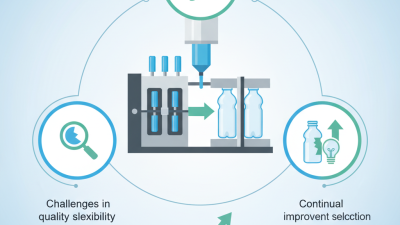
Yet, comprehending this process is not always straightforward. There may be unexpected challenges, such as defects or material waste. Continuous learning and adaptation are vital. Staying updated with new technologies and techniques will enhance effectiveness in the plastic injection molding process.
Introduction to Plastic Injection Molding Process
Plastic injection molding is a widely used manufacturing process. It enables the production of complex parts efficiently. Understanding this method requires knowledge of several key components. The process begins with melted plastic being injected into a mold. This mold gives the final product its shape. Cooling then solidifies the plastic, making it durable.
In terms of materials, various types can be used for injection molding. Common choices include ABS, polycarbonate, and nylon. Each material has its unique properties. For instance, ABS is tough but can struggle with temperature resistance. Evaluating the right material for your project is essential.
Tips: Always consider the design complexity. A simple design can reduce production time and costs. Additionally, engage with experienced professionals. They can provide insights that might save you from common pitfalls. Regularly review your process to identify potential improvements. Small changes can significantly enhance the efficiency and quality of production. Remember, continuous learning is vital in this evolving industry.
Key Components of Injection Molding Machinery
Injection molding relies on several key components that work in synchrony. The injection unit is crucial. It melts plastic pellets into a molten state. This unit injects the material into the mold. It typically includes a hopper, screw, and barrel. Each part plays a vital role. The hopper feeds raw material into the system. The screw rotates to mix and heat. The barrel maintains temperature for smooth injection.
Another significant component is the mold itself. Molds are designed to shape the plastic as it solidifies. They can be single or parting designs. Cooling channels are often integrated for efficient temperature control. A well-designed mold reduces cycle times. However, even minor imperfections can lead to defects in the final product.
Clamping units hold the mold together during the injection process. Their strength is important to prevent leaks and ensure proper shaping. These units must maintain precision and stability. If the clamping force is insufficient, it may result in poor product quality. Understanding these components is essential in mastering the injection molding process. Each piece contributes uniquely to overall effectiveness.
How to Understand the Plastic Injection Molding Process? - Key Components of Injection Molding Machinery
| Component |
Function |
Material |
Typical Usage |
| Injection Unit |
Melt and inject plastic into the mold |
Steel and aluminum |
Production of intricate parts |
| Clamping Unit |
Holds the mold in place during injection |
Cast iron |
High volume production |
| Mold |
Shapes and forms the plastic into desired objects |
Tool steel |
Complex designs and details |
| Hydraulic System |
Controls movements and forces of machinery |
Hydraulic oil |
Precision in operation |
| Cooling System |
Regulates temperature of the mold |
Water or coolant fluids |
Ensures proper solidification |
Steps Involved in the Injection Molding Process
Injection molding is a complex process involving several key steps. This method is widely used in manufacturing plastic parts. Understanding these steps can clarify how products are made efficiently.
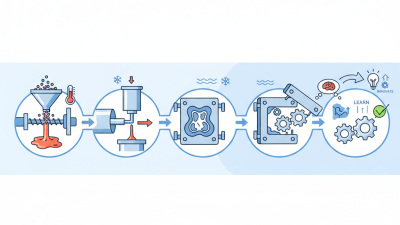
The process begins with material preparation. Plastic pellets are fed into a hopper. A heated barrel melts these pellets into a thick liquid. The molten plastic is then injected into a mold. This injection needs precision. If not done correctly, defects may arise. The mold cools, solidifying the shape of the part. Timely removal from the mold is crucial. Delays can lead to warping or sticking.
Next is the finishing stage. It may involve trimming excess plastic or adding features. However, this step can introduce variability. Not all products will meet the exact standard. Quality checks are essential to catch these issues early. Each step has its challenges and intricacies. Understanding them can improve the overall process and product quality.
Plastic Injection Molding Process: Stages and Time Involved
Common Materials Used in Injection Molding
Injection molding relies on various materials, each with distinct characteristics. One common option is polyethylene, appreciated for its lightweight and flexibility. It’s often used in packaging and containers. Another popular material is polystyrene, known for its rigid form and ease of shaping. It finds favor in products like disposable cutlery and packaging materials.
Thermoplastics are prominent in this field, with materials like polypropylene being quite versatile. This polymer offers durability and resistance to chemicals. Designers often choose it for automotive parts and consumer goods. However, improper processing can lead to issues like warping or poor surface finish.
Additionally, thermosetting plastics provide unique benefits. Materials like epoxy are known for their strong adhesion and heat resistance. They're crucial in applications ranging from electronics to aerospace. Yet, these materials often require careful handling during the molding process to prevent unwanted reactions. Understanding how to select and manage these materials is essential for achieving quality results.
Applications and Benefits of Plastic Injection Molding
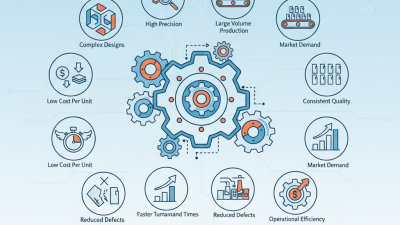
Plastic injection molding is widely used in various industries due to its efficiency and versatility. This process allows manufacturers to produce complex shapes with precision. Common applications include automotive parts, consumer goods, and medical devices. Each of these products benefits from the robust nature of injection-molded plastics. The strength of materials often surpasses that of traditional fabrication methods.
One significant advantage is reducing waste. Since the process uses only the necessary amount of material, it can be more sustainable. Moreover, injection molding can lead to lower production costs in high-volume runs. However, it requires careful initial setup, which can be a challenge for new manufacturers. They often need to navigate design intricacies and material selections.
Another aspect is the speed of production. With each cycle taking mere seconds, manufacturers can meet high demand effectively. Yet, not every design is suitable for this method. Designers must consider the limitations of molds. Flexibility in design is often necessary. Embracing these limitations can lead to better final products. Understanding these factors allows for a more informed approach to the injection molding process.