Choosing the right blow molding machine in 2026 requires more than comparing prices, clamping forces, or production speeds. Global buyers must match equipment with container design, resin behavior, factory conditions, and local service support. A machine that performs well for lightweight HDPE bottles may struggle with multilayer packaging or high-clarity PET containers. The details matter.
This guide introduces the main blow molding machine types used across international manufacturing markets. It examines extrusion blow molding, injection blow molding, injection stretch blow molding, and accumulator-head systems. Each type serves different production goals, from large industrial drums to narrow-neck beverage bottles. Practical factors include output stability, mold-change time, energy consumption, automation, and spare-parts access. A reliable supplier should explain these points with production data, not vague promises. Ask for sample testing. Review the maintenance record.
Real purchasing decisions also involve humidity, operator training, shipping conditions, and regional technical support. These issues can quietly increase total ownership costs after installation. Our comparison focuses on measurable performance and realistic operating needs, while recognizing that supplier claims require verification. No machine wins every application. That limitation matters. Buyers should validate cycle times, wall-thickness control, reject rates, and finished-product quality using their own materials and molds. A well-designed machine can reduce waste and improve consistency, but poor process settings may still create weak seams, uneven walls, or unstable dimensions. This 2026 overview aims to support careful decisions with practical engineering insight, transparent comparisons, and room for informed doubt.
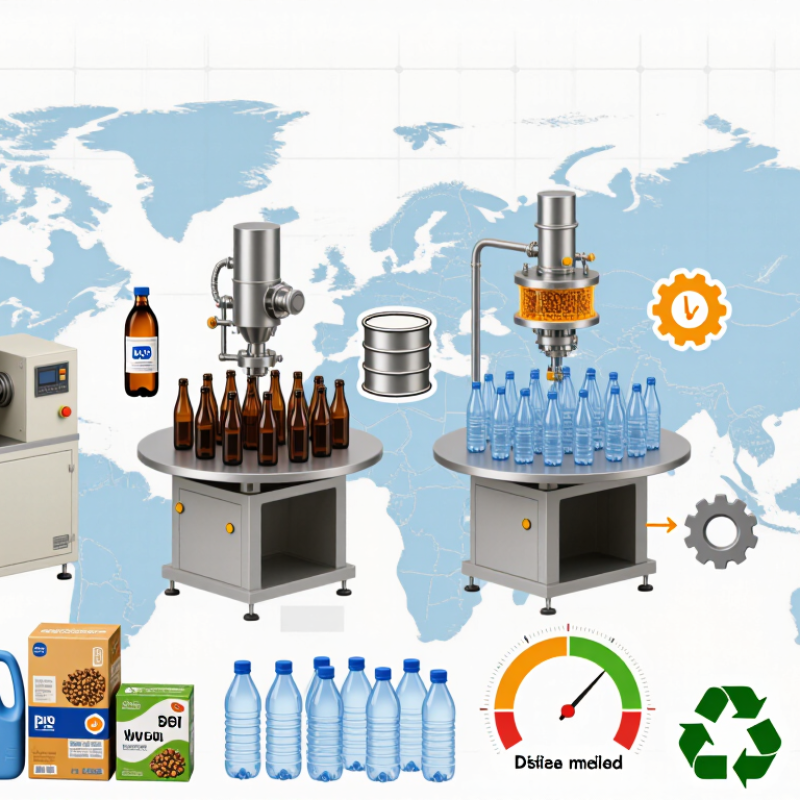
Blow molding forms hollow plastic parts by shaping a heated tube or preform inside a mold. The basic cycle is simple: melt, shape, inflate, cool, and eject. In extrusion blow molding, a machine pushes a hot parison downward between open mold halves. The mold closes and seals the bottom. Compressed air then expands the parison against the cavity walls. Cooling channels remove heat before the mold opens. Wall thickness depends on parison control, temperature, and air pressure. Small changes can create weak corners or uneven handles.
Injection blow molding begins with a preform made around a core rod. The preform moves into a blow mold, where air expands it precisely. This method suits small bottles with consistent neck finishes. Stretch blow molding adds axial and radial stretching, often improving strength and clarity in lightweight containers. Each machine type has a different balance of output, tooling cost, energy use, and dimensional control. Global buyers should match the process to resin behavior, container geometry, and expected production volume.
A practical inspection should include clamp alignment, air leakage, mold cooling, and parison programming. Watch the first ten cycles. They often reveal more than a brochure. Operators should record melt temperature, blow pressure, cycle time, and reject causes. The theory is clean; production rarely is. Resin moisture, room temperature, and recycled content can change results. I have found that a slightly slower cycle sometimes delivers better stability, although this can reduce hourly output. The best choice remains process-specific, not simply the fastest machine.
Extrusion blow molding machines form hollow products from a heated plastic tube, called a parison. The process suits bottles, jerry cans, ducts, tanks, and automotive reservoirs. Operators can adjust the parison thickness during extrusion. This helps control weight around handles, corners, and base sections.
Continuous extrusion machines support high-volume packaging lines. Intermittent systems offer careful control for larger containers. Accumulator-head machines store a measured melt before releasing it quickly. This method can reduce sagging in heavy industrial parts. Single-station designs fit flexible production needs. Multi-station equipment can improve output when floor space and labor are limited.
Material choice affects every setting. HDPE provides stiffness and chemical resistance for many containers. PP can support lightweight parts with useful heat performance. Engineers should match melt temperature, screw design, die size, and cooling time. A machine that looks powerful may still produce uneven walls. That lesson appears often during factory trials.
In practical evaluations, buyers should inspect parison programming, clamp force, mold cooling, and trimming access. Check sample parts at the thickest and thinnest areas. Perform leak tests and drop tests under realistic conditions. Ask for documented cycle data, maintenance intervals, and operator training. Global plants also need suitable voltage, language support, safety guarding, and locally available spare parts. No setup is perfect. Small changes in cooling water flow can alter cycle stability more than expected.
2026 Top Blow Molding Machine Types for Global Buyers
Injection Blow Molding Machines for Precise Small Containers
Injection blow molding machines suit manufacturers producing small bottles with consistent necks, walls, and volumes. The process begins by injecting a preform around a core rod. That preform then moves into a blow mold for final shaping. This sequence reduces trimming and supports clean, repeatable containers.
For buyers comparing equipment, mold accuracy matters as much as machine speed. A stable clamping system helps prevent flash around the neck and parting line. Servo-driven controls can improve dosing, motion timing, and energy management. However, higher automation does not remove every production problem. Poor resin drying or uneven cooling can still create cloudy walls, warping, or weak shoulders.
Practical testing should include the actual container size, resin grade, closure design, and target output. Ask for sample runs with measured weight variation and wall-thickness data. Small containers often expose minor errors quickly. A one-gram difference can affect filling performance and transport stability. Maintenance access also deserves attention, especially around heaters, valves, and mold components. Operators need clear settings, reliable sensors, and training that matches daily production conditions. Sometimes, a slower cycle produces better quality and fewer rejects.
| Machine Type | Typical Container Range | Suitable Materials | Typical Production Capability | Main Advantages | Best-Fit Applications | Buyer Considerations |
|---|---|---|---|---|---|---|
| Single-Stage Injection Blow Molding Machine | Approximately 5–500 mL; commonly used for small, narrow-neck containers | PET, PP, PE, and selected engineering thermoplastics | Typically 2–8 cavities; output depends on container size, cycle time, and mold design | Excellent neck and thread accuracy; no preform storage or reheating stage; low material waste | Pharmaceutical bottles, laboratory containers, eye-drop bottles, cosmetic packaging, and small specialty bottles | Check mold-change time, injection pressure, cavity balance, clean-room compatibility, and validation requirements |
| Servo-Hydraulic Injection Blow Molding Machine | Approximately 5–1,000 mL, depending on the machine configuration | PET, PP, HDPE, LDPE, and other process-compatible thermoplastics | Often configured with 2–8 cavities for small-container production | Balanced performance between capital cost, control precision, and production flexibility | General pharmaceutical, personal-care, food, household, and industrial containers | Compare energy consumption, hydraulic maintenance needs, servo-control accuracy, and availability of replacement parts |
| All-Electric Injection Blow Molding Machine | Approximately 5–500 mL for precision small-container production | PET, PP, PE, and other thermoplastics approved for the selected process | Typically 2–8 cavities; repeatability depends on injection, transfer, and blow-molding controls | Clean operation, precise motion control, repeatable cycle timing, and reduced hydraulic-oil exposure | High-value pharmaceutical, medical, cosmetic, and laboratory packaging | Evaluate electrical infrastructure, peak power demand, temperature control, software support, and total cost of ownership |
| Multi-Layer Injection Blow Molding Machine | Approximately 10–500 mL, subject to layer structure and material compatibility | Compatible combinations may include PET, PP, PE, barrier resins, and adhesive layers | Usually lower than single-material systems because of additional injection and process-control requirements | Improved oxygen, moisture, light, or chemical barrier performance without making the entire container from a costly barrier resin | Sensitive pharmaceutical, food, chemical, and cosmetic products | Confirm layer-thickness control, resin compatibility, recycling requirements, and barrier-performance testing |
| Clean-Room Injection Blow Molding Cell | Approximately 5–250 mL for sterile or contamination-sensitive packaging | Medical- and pharmaceutical-grade PET, PP, PE, and approved specialty resins | Cavity count and speed are selected around contamination control, validation, and product requirements | Integrated molding and controlled handling can reduce manual transfer and contamination risk | Sterile containers, diagnostic packaging, unit-dose bottles, and medical components | Review air classification, HEPA filtration, cleanability, data logging, process validation, and regulatory documentation |
| High-Speed Rotary Injection Blow Molding Machine | Approximately 5–250 mL, especially for standardized small bottles | PET, PP, PE, and other resins supported by the injection and blow-molding system | Designed for continuous, high-utilization production; actual output varies with cavity count and cycle design | High throughput, compact material flow, and consistent transfer between molding stations | Large-volume production of small pharmaceutical, cosmetic, and personal-care bottles | Assess tooling cost, changeover complexity, operator training, line integration, and planned annual utilization |
| Note: Capacity, cavity count, container volume, and cycle performance are typical industry ranges rather than guaranteed specifications. Final results depend on resin grade, part geometry, wall thickness, mold design, cooling conditions, automation, and quality requirements. | ||||||
Stretch blow molding machines remain highly suitable for PET bottles and lightweight packaging. They heat PET preforms before stretching and blowing them inside cooled molds. A stretch rod extends the preform vertically, while compressed air expands it sideways. This biaxial orientation improves clarity, strength, and resistance to internal pressure. The process supports water, edible oil, beverage, and household liquid containers. Lightweight designs reduce material use, but thinner walls require tighter process control.
In practical production reviews, preform temperature often determines bottle consistency. Small variations can create cloudy areas, weak bases, or uneven neck finishes. Mold cooling also matters. Poor cooling may cause deformation during fast production cycles. High-speed machines can improve output, but stated capacity may not match daily results. Changeovers, rejects, air consumption, and maintenance time affect the real cost.
Global buyers should compare mold-change time, heater zoning, air recovery, and service access. Air quality matters. Operators need clear alarms and simple adjustment procedures. Remote diagnostics can support maintenance, but local training remains important. Regional packaging requirements should be checked before equipment selection. A perfect setup rarely exists. Some efficient lines still lose consistency after rushed commissioning. Select equipment for actual bottle geometry, production volume, and available technical skills. Leave room for testing.
2026 Top Blow Molding Machine Types for Global Buyers
Global buyers should compare machine performance against the project, not the brochure. Extrusion blow molding suits containers with handles, wide openings, or layered walls. Injection blow molding offers accurate neck finishes and clean, repeatable dimensions. Stretch blow molding supports lightweight bottles with strong pressure resistance. Grand View Research reports that the global blow molding machine market reached roughly USD 5 billion in 2023 and should continue growing through 2030. That growth does not make every machine suitable.
Request tested figures for cycle time, scrap rate, energy use, and mold changeover. PMMI’s 2024 State of the Industry reporting highlights uptime, labor efficiency, and energy management as major packaging equipment concerns. Ask suppliers to demonstrate a container using your actual resin and design. A fast cycle means little if operators need frequent adjustments. I have seen specifications look excellent, yet production trials exposed unstable wall thickness. Real testing matters.
Tips: Compare total cost over seven years. Include molds, utilities, spare parts, training, and remote support. Check whether local technicians can respond quickly. Review the controller language and data-export functions. Ask for references from factories with similar climates and output levels. Do not ignore compressed-air demand. It can quietly raise operating costs. A perfect spreadsheet can still mislead; actual production evidence should carry more weight.
The chart compares common commercial container-volume ranges by blow molding process. Injection blow molding is generally suited to small, precise containers; injection stretch blow molding is widely used for PET bottles; extrusion blow molding covers a broad range of packaging sizes; and accumulator-head systems are commonly selected for large industrial and storage containers. Actual limits depend on resin, mold design, machine configuration, and product geometry.