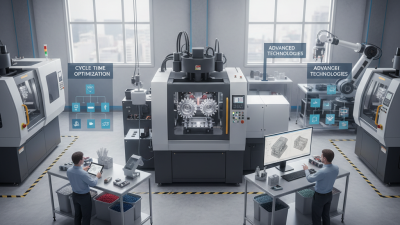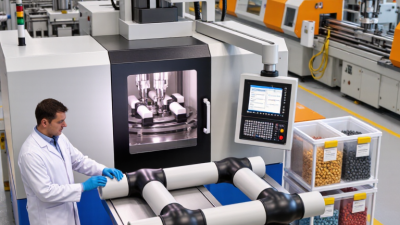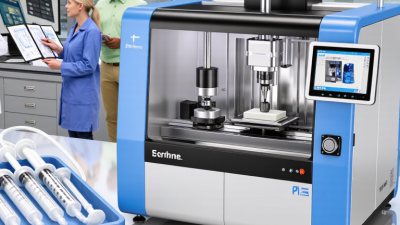
A bottle can look simple on a shelf. Its wall thickness, neck finish, and seal must still work together. Injection blow molding forms a preform around a core rod, then blows it into a finished container inside a mold. The process can produce accurate neck dimensions and smooth surfaces, with little visible seam or trimming. For small bottles, those details matter. A cap that seats evenly can help prevent leaks during filling, shipping, and everyday use.
The scale is significant. PlasticsEurope’s Plastics—The Fast Facts 2024 reports that global plastics production reached 413.8 million tonnes in 2023. That figure covers many applications, not just packaging or bottles. It is useful context, but not proof that one molding method is best. Injection blow molding may suit compact containers where finish quality and repeatability matter. It may be less attractive when tooling cost, bottle size, or design changes dominate the decision. There is no universal winner.
A. Brent Strong, author of Plastics: Materials and Processing, is a recognized plastics-processing educator. His work emphasizes matching material and process to product requirements. I cannot verify a verbatim statement from Strong specifically about injection blow molding, so I will not place invented words in quotation marks. That caution matters. In the sections ahead, we will compare process control, material use, production consistency, and practical limits. A closer look helps.
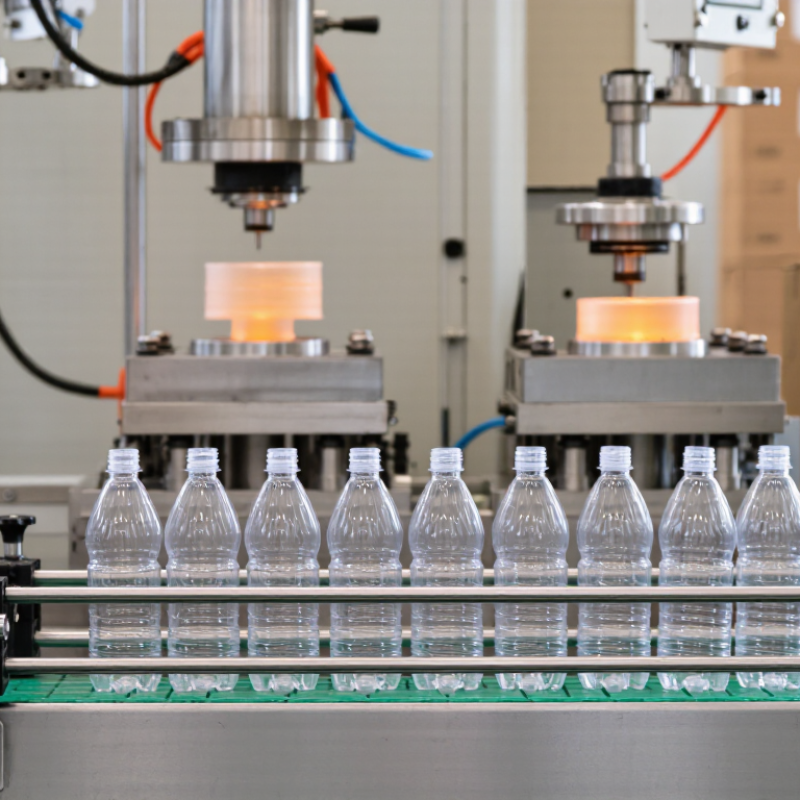
Injection blow molding is a process for making hollow plastic containers from a precisely formed preform. The preform is injection-molded around a core rod, which shapes the bottle’s neck and opening. While the plastic is still warm, the rod carries it into a blow mold. Compressed air then expands the preform against the mold’s inner walls. The plastic cools and holds the cavity’s shape. A small bottle, formed in a controlled sequence.
Because the neck is shaped during injection, its dimensions can be consistent across production runs. The process can also create clean bottle bodies without the pinch-off seam often associated with other blow-molding methods. That can be useful for small containers where appearance, fit, and repeatable filling matter. It is not magic, though. Mold design, resin choice, and cooling conditions all affect wall thickness and bottle performance. A container may look smooth but still need checks for leaks, dimensions, and compatibility with its contents. Injection blow molding also involves specialized tooling, so it may not suit every size or production volume. Reviewing a sample in real use can reveal details that drawings miss.
Injection blow molding forms a bottle in two linked molds. Plastic resin is melted and injected around a core rod, creating a hollow preform. Its neck and thread finish take shape in this first mold, so their dimensions depend heavily on precise tooling and temperature control. The preform remains on the rod as it moves into a blow mold.
Compressed air then expands the warm preform until it meets the mold’s inner walls. The plastic cools there, holding the shape of the bottle. The mold opens, and the finished container is removed. The sequence sounds tidy. Real production is less forgiving: uneven heating can leave thin spots, while poor cooling may cause distortion. Small changes matter.
Operators monitor melt temperature, injection pressure, air pressure, and cooling time. These settings vary with resin, bottle geometry, and wall thickness, so a recipe that works for one design may fail on another. The neck is formed early, which can support consistent closures, while the body typically has no parting seam. Still, this process suits certain bottle sizes and shapes better than others. A practical trial can reveal weak shoulders or uneven walls before full production begins.
Injection blow molding suits compact bottles that need a precise neck and consistent dimensions. The process forms a plastic preform around a core rod, then expands it inside a mold. This can produce clean openings for screw caps, droppers, or dispensing closures. Think of a small bottle with a narrow neck and smooth, even walls. The method is less attractive for large containers, complex handles, or designs with deep, uneven contours. Not every bottle fits.
Designers often choose rounded or gently tapered shapes because they allow material to stretch more evenly. A sharp corner may create thin spots, so it deserves careful testing. The process can also keep the neck finish accurate, which helps closures seat reliably. That is a practical advantage, not a guarantee: mold quality and process settings still matter.
PET is used when clarity and a crisp appearance are important; polypropylene can suit bottles needing flexibility or better heat tolerance, depending on grade. Polyethylene grades may work for less transparent, squeezable containers. Material selection should reflect the contents, wall thickness, and intended use, then be confirmed with sample runs. One limitation is worth admitting: a design that looks simple on screen may behave differently during molding. Temperature, resin flow, and cooling can change the result.
Injection blow molding offers close control over bottle dimensions. A preform is injection molded around a core rod, then transferred into a blow mold and expanded with air. This sequence can create a consistent neck finish and smooth bottle body without a visible pinch seam. Small details matter.
That precision helps when bottles need reliable cap fit, a clean appearance, or narrow openings for dispensing. The process also supports compact containers used for samples, personal care products, and medicines. Wall thickness can be more uniform than in some other blow-molding processes, which helps reduce weak spots. It can also limit trimming waste.
There are trade-offs. Tooling and equipment may cost more, so the method is not automatically economical for every project. Bottle size and shape are also constrained by the machinery and mold design. Teams should test prototypes for filling, capping, and handling before committing to production. A bottle that looks perfect on a drawing may still feel awkward in the hand.
| Production Dimension | How Injection Blow Molding Works | Potential Advantage for Bottle Production | Important Consideration |
|---|---|---|---|
| Process sequence | A preform is injection molded around a core rod, transferred to a blow mold, expanded with compressed air, and then ejected. | Combines preform formation and bottle blowing in a repeatable molding cycle, supporting consistent production. | Cycle time and output depend on the machine, mold layout, bottle design, and resin. |
| Neck and finish accuracy | The bottle neck and thread are formed during the injection-molding stage. | Can produce accurately formed neck finishes that support reliable cap fit and closure performance. | Neck dimensions still require suitable mold design, process control, and quality checks. |
| Parting-line flash | The process forms the container from a preform rather than pinching off an extruded parison. | Typically avoids the pinch-off flash associated with extrusion blow molding, reducing the need for trimming at that area. | Other molding defects may still occur and should be controlled through tooling and process settings. |
| Container consistency | Each preform is shaped in an injection mold before it is blown into the final container. | The defined preform geometry can help deliver repeatable bottle dimensions and finish quality in suitable applications. | Wall thickness and overall consistency depend on preform design, material behavior, and blowing conditions. |
| Small-container production | The method is commonly used for relatively small, narrow-neck containers. | Can be well suited to products such as pharmaceutical, personal-care, and specialty containers where finish precision matters. | It is not automatically the best choice for every bottle size or shape; larger containers may favor other processes. |
| Material options | Applicable materials depend on the machine and product requirements; thermoplastics such as polyethylene, polypropylene, and PET are used in blow-molded packaging. | Offers material choices that can be matched to requirements such as chemical compatibility, clarity, and stiffness. | Not every resin is suitable for every injection blow molding system or end use. Confirm grade, processing window, and regulatory requirements. |
| Tooling and investment | Production requires injection and blow-molding tooling, along with equipment designed for the process. | Purpose-built tooling can support repeatable production once the design and process are established. | Tooling and equipment investment should be assessed against expected volume, design complexity, and total production cost. |
| Design suitability | The preform and blow mold determine the final container geometry and material distribution. | Works well when the bottle design fits the process and consistent dimensions are a priority. | Complex shapes, large handles, or other features may be better suited to alternative molding methods. |
Summary: Injection blow molding can be a strong option when a bottle needs a precise neck finish, repeatable dimensions, and production without parison pinch-off flash. The best process depends on container design, material, production volume, and total cost.
Injection blow molding is often the right choice for small, hollow bottles that need a precise neck and repeatable dimensions. The process forms a preform by injection molding, then expands it inside a blow mold. This can produce clean openings for closures and reduce trimming at the bottle base. Think of a narrow-neck container that must sit steadily on a filling line. Consistency matters.
It can make sense for high-volume production, especially when each bottle uses relatively little material and appearance must remain uniform. It is less suitable when containers need handles, unusual shapes, or very large capacities; other molding methods may offer more flexibility. Tooling and setup also need careful evaluation. A detailed mold can be costly, and a promising sample does not guarantee smooth production. Check resin compatibility, wall thickness, filling conditions, and how bottles perform after storage. Test them. I would also review a pilot run before committing to a long production schedule. That step takes time, but skipping it can leave small problems—such as uneven walls or a poor fit at the neck—until they become expensive.
Compare common process characteristics to see when injection blow molding may be the right fit.
Injection blow molding is often chosen for small, precise bottles where a clean finish and consistent neck dimensions matter. The chart shows typical process characteristics: 1 means the feature is generally present; 0 means it is generally absent. Actual details vary by equipment, material, and product design.